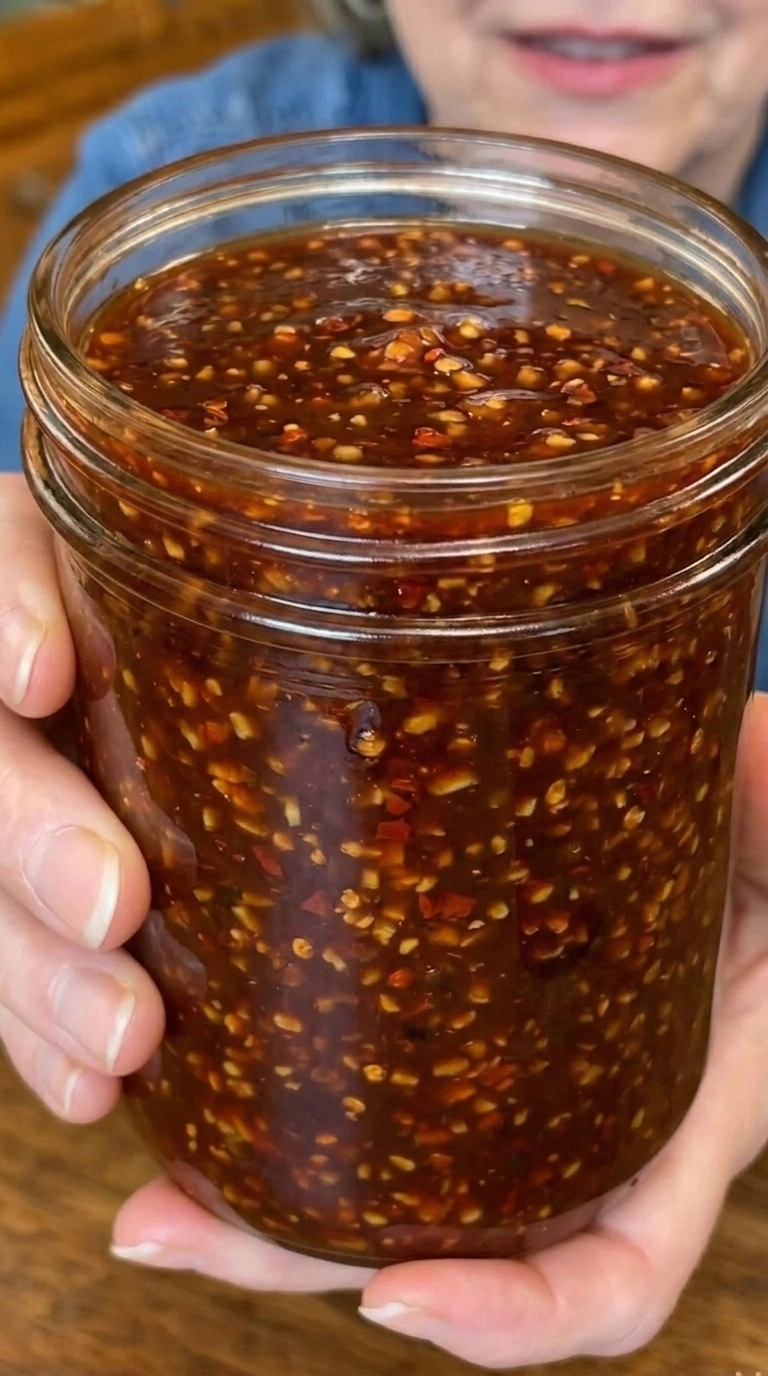
There are sauces that are fine. And then there are sauces that make you stand over the stove eating directly from the pan with a spoon. General Tso Sauce is firmly in the second category. Sweet, spicy, garlicky, deeply savory, and finished with a glossy sheen that clings to everything it touches — this is the sauce that transforms an ordinary weeknight dinner into something that tastes like it came from your favorite Chinese restaurant.
The best part? You can make it in 20 minutes with pantry staples you probably already have. Once you do, you’ll be putting it on everything: crispy chicken, shrimp, tofu, roasted vegetables, noodles, rice bowls. One batch is never enough — which is exactly why this recipe is worth keeping on permanent rotation.
This guide covers everything: the history behind the sauce, a deep dive into every ingredient and why it matters, step-by-step instructions, pro tips for getting the texture and flavor exactly right, and every possible way to use it once you have a jar in your fridge.
The Story Behind General Tso’s Sauce
General Tso’s chicken is one of the most ordered dishes at Chinese-American restaurants in the United States — but its origins are more complicated (and more recent) than most people realize. The dish is named after Zuo Zongtang, a Qing Dynasty military general from Hunan province, but General Tso’s chicken as we know it was almost certainly invented in New York City in the 1970s. The most commonly credited creator is Chef Peng Chang-kuei, a Hunanese chef who adapted and Americanized his home cuisine after emigrating to the United States.
The sauce at the heart of the dish — bold, sweet, spicy, and deeply umami — is a brilliant fusion of traditional Chinese pantry staples and American flavor preferences. It leans sweeter and more approachable than authentic Hunanese cooking, with the heat dialed up just enough to give it a signature kick without overwhelming the palate.
Today, General Tso’s sauce has evolved well beyond its original dish. It’s become a building block sauce — a flavor base that works on practically anything that benefits from a sweet, spicy, savory glaze. Making it at home means you control every element: the sweetness level, the heat, the sodium content, and the quality of every ingredient that goes into it.
Ingredient Breakdown: Why Every Element Matters
Great sauce is about balance, and every ingredient in this recipe plays a specific role. Understanding what each one does will help you make confident adjustments and substitutions.
Low-Sodium Soy Sauce (½ cup)
Soy sauce is the backbone of General Tso Sauce — the primary source of salt, depth, and umami. Low-sodium soy sauce is strongly recommended here because the sauce reduces and concentrates as it thickens. Regular soy sauce can make the finished result aggressively salty. Low-sodium gives you the same rich flavor with far better control. If you only have regular soy sauce, reduce the quantity slightly and taste as you go.
Chicken Broth or Water (¼ cup)
Liquid is needed to balance the concentration of soy sauce, vinegar, and hoisin and to create the right consistency before the cornstarch slurry tightens everything up. Chicken broth adds a subtle savory depth that water can’t offer. For a fully plant-based version, vegetable broth works beautifully.
Brown Sugar (3 tbsp)
This is what gives General Tso Sauce its characteristic sweetness — and what separates it from a plain stir-fry sauce. Brown sugar is used instead of white because the molasses it contains adds a caramel-like richness that complements the soy sauce and hoisin beautifully. You can adjust the amount up or down depending on how sweet you like your sauce.
Rice Vinegar (2 tbsp)
Acidity is the key to preventing any sauce from tasting flat or one-dimensional. Rice vinegar is mild, slightly sweet, and much gentler than distilled white vinegar or apple cider vinegar. It lifts the whole sauce without making it taste sour, and it balances the sweetness of the brown sugar and hoisin perfectly.
Hoisin Sauce (2 tbsp)
Hoisin is sometimes called Chinese barbecue sauce, and it brings extraordinary complexity to this recipe. It’s thick, deeply sweet-savory, with notes of five spice, garlic, and fermented soybean. It adds body to the sauce and reinforces the umami without the need for any additional seasoning. Don’t skip it and don’t substitute ketchup — the flavor difference is significant.
Cornstarch Slurry (1 tbsp cornstarch + 1 tbsp water)
The slurry is what transforms the sauce from a thin liquid into the glossy, coating, restaurant-style sauce you’re after. Cornstarch must always be dissolved in cold water before being added to a hot liquid — adding dry cornstarch directly to the pan creates lumps. Whisk it in slowly and keep stirring as the sauce heats up. Within 2 to 3 minutes it will thicken noticeably and develop that beautiful, lacquered shine.
Sesame Oil (1 tbsp)
Toasted sesame oil is one of the most aromatic ingredients in Chinese cooking. It has a rich, nutty, deeply fragrant quality that immediately evokes Asian cuisine. It’s used here to sauté the garlic and ginger, which allows its flavor to bloom into the base of the sauce. A small amount goes a long way — sesame oil is a finishing flavor, not a cooking fat.
Garlic (4 cloves, minced)
Four cloves may sound like a lot, but the garlic mellows and sweetens as it cooks in the sesame oil. It forms the aromatic foundation of the sauce — you’ll smell it blooming in the pan and it will make everyone in the house wander into the kitchen asking what’s cooking. Don’t use garlic powder as a substitute; fresh garlic makes a noticeable difference here.
Fresh Ginger (1 tbsp, minced)
Ginger adds warmth, brightness, and a gentle spice that’s distinct from the heat of the red pepper flakes. Fresh ginger is significantly more vibrant than ground ginger — it has a floral, almost citrusy quality that ground ginger can’t replicate. If you cook with ginger regularly, keep a knob in your freezer and grate it straight from frozen when you need it.
Crushed Red Pepper Flakes (1–2 tsp)
This is where the heat comes from. One teaspoon gives you a mild, noticeable warmth. Two teaspoons delivers a genuine kick. You can go even higher if you love heat, or reduce to half a teaspoon for a mild family-friendly version. The red pepper flakes are added after the garlic and ginger have sautéed so they don’t burn in the pan.
Tomato Paste (1 tbsp, optional)
This is a small but impactful optional addition. Tomato paste contributes a deep, concentrated savory richness — almost meaty in quality — that makes the sauce taste more complex and rounded. It doesn’t make the sauce taste like tomatoes; it makes it taste more like itself. Highly recommended if you have it on hand.
How to Make General Tso Sauce: Step-by-Step
Step 1: Mix the Sauce Base
In a small bowl, whisk together the soy sauce, chicken broth, brown sugar, rice vinegar, and hoisin sauce until the sugar is fully dissolved and the mixture is smooth. Having this ready before you start cooking is key — the sauté step moves quickly and you don’t want to be measuring while garlic is browning.
Step 2: Make the Cornstarch Slurry
In a separate small bowl, whisk the cornstarch and one tablespoon of cold water together until completely smooth. Set aside near the stove — you’ll need it ready to go.
Step 3: Sauté the Aromatics
Heat the sesame oil in a medium saucepan over medium heat. Add the minced garlic and ginger and sauté for 30 to 60 seconds, stirring constantly. You’re looking for the aromatics to become fragrant and just barely golden — not brown. Browned garlic turns bitter, so stay attentive during this brief window.
Step 4: Add the Sauce and Simmer
Pour the soy sauce mixture into the pan with the aromatics. Stir to combine. Add the crushed red pepper flakes and tomato paste if using, and stir again. Bring the mixture to a gentle simmer over medium heat.
Step 5: Thicken with the Slurry
Give the cornstarch slurry a quick re-whisk (it settles quickly), then pour it into the simmering sauce while whisking constantly. Continue to stir and cook for 2 to 3 minutes. You’ll watch the sauce transform in real time — it will go from thin and opaque to thick and glossy. Once it coats the back of a spoon and holds a line when you drag your finger through it, it’s done.
Step 6: Remove From Heat and Use
Take the pan off the heat and let the sauce cool for a couple of minutes before using. It will thicken slightly more as it cools. Toss it immediately with your protein or vegetables, or transfer to a jar for storage.
Getting the Texture Exactly Right
The cornstarch slurry is where most home cooks run into trouble. Here’s how to nail it every time:
Always mix cornstarch with cold water. Hot water causes the starch granules to seize up immediately, creating lumps before they can dissolve into the sauce.
Add the slurry to a simmering sauce, not a boiling one. If the heat is too high, the slurry will thicken too fast and unevenly. Medium heat is ideal.
Keep stirring. Once the slurry goes in, constant stirring prevents lumps and ensures even thickening across the entire sauce.
If it gets too thick, add liquid. A splash of water, broth, or even a bit more vinegar will loosen the sauce back to the right consistency. This is also how to reheat it after storage — it thickens in the fridge, so always add a little liquid when reheating.
If it doesn’t thicken enough, make more slurry. Mix an additional half teaspoon of cornstarch with half a teaspoon of water and whisk it in. Give it another minute of cooking before deciding if you need more.
Ways to Use General Tso Sauce
Classic General Tso’s Chicken
Coat bite-sized pieces of chicken in a mixture of cornstarch and egg, fry until crispy and golden, then toss in the warm General Tso Sauce just before serving. Serve over steamed white rice with steamed broccoli. This is the dish that made the sauce famous.
General Tso’s Shrimp
Large shrimp, lightly breaded and pan-fried until pink and slightly crispy, take beautifully to this sauce. The sweetness of the shrimp plays off the heat of the red pepper flakes, and the whole thing comes together in under 15 minutes.
Crispy Tofu
Press extra-firm tofu until most of the moisture is gone, cube it, coat in cornstarch, and pan-fry or bake until crispy. Toss with the sauce for a plant-based version that’s every bit as satisfying as the original. This is an excellent option for vegetarians, vegans, and anyone trying to eat less meat without sacrificing bold flavor.
Stir-Fried Vegetables
Toss the sauce with a wok full of broccoli, snap peas, bell peppers, mushrooms, carrots, and baby corn for a vegetable stir-fry that tastes like something from your favorite restaurant. Serve over rice or noodles.
Noodle Bowls
Toss cooked lo mein noodles, udon, or even spaghetti with General Tso Sauce for a fast, deeply flavorful noodle bowl. Add whatever vegetables and protein you have on hand. Top with sesame seeds, sliced scallions, and a drizzle of chili oil.
As a Dipping Sauce
Thin the sauce slightly with a splash of water and serve it as a dipping sauce alongside spring rolls, dumplings, egg rolls, potstickers, or chicken tenders. It’s vastly more interesting than standard duck sauce or sweet and sour.
On a Rice Bowl
Drizzle the sauce over a rice bowl loaded with roasted vegetables, a soft-boiled egg, and avocado. The bold flavor ties every element of the bowl together in a way that simpler sauces can’t.
As a Glaze for Salmon or Pork
Brush General Tso Sauce over salmon fillets or pork tenderloin in the final few minutes of baking or grilling. The sugar caramelizes slightly under the heat and creates a lacquered, restaurant-quality glaze that looks stunning on the plate.
Variations to Try
Extra Spicy: Double the red pepper flakes and add a teaspoon of chili garlic sauce or a drizzle of sriracha. For serious heat, add a small fresh Thai chili, finely minced.
Lower Sugar: Reduce the brown sugar to one tablespoon and add a teaspoon of honey for a more nuanced sweetness with less overall sugar.
Gluten-Free: Swap the soy sauce for tamari (which is traditionally brewed without wheat) and use a gluten-free hoisin sauce, which is widely available at most grocery stores.
Vegetarian/Vegan: Replace the chicken broth with vegetable broth or water. Every other ingredient in this recipe is already plant-based.
Orange-Ginger Variation: Add the zest and juice of one orange to the sauce base for an orange chicken-style variation with bright citrus notes. Reduce the rice vinegar to one tablespoon to keep the acidity balanced.
Storage and Reheating
Store General Tso Sauce in an airtight container or jar in the refrigerator for up to one week. The sauce will thicken significantly once cold due to the cornstarch — this is completely normal.
To reheat, warm gently in a small saucepan over low heat or in the microwave in 30-second intervals, stirring between each. Add a splash of water, broth, or a dash of soy sauce to bring the consistency back to pourable. Stir until smooth before using.
The sauce does not freeze well due to the cornstarch, which can become grainy and separated after freezing and thawing. Make it fresh in small batches for best results.
Frequently Asked Questions
Can I make this sauce ahead of time? Absolutely. General Tso Sauce actually tastes better the next day as the flavors meld and deepen. Make it up to a week ahead and store it in the fridge.
Is General Tso Sauce the same as sweet and sour sauce? No, though they share some characteristics. Sweet and sour sauce is thinner, brighter, and more fruit-forward — typically made with pineapple juice or ketchup. General Tso Sauce is richer, more savory, more complex, and has a spicy heat component that sweet and sour sauce lacks.
Can I use ground ginger instead of fresh? You can in a pinch — use about ½ teaspoon of ground ginger in place of one tablespoon of fresh. The flavor will be earthier and less bright, but the sauce will still be delicious.
Why does my sauce taste too salty? This usually comes from using regular soy sauce instead of low-sodium. If the sauce is already made and too salty, add a bit more brown sugar and a splash of water to dilute and balance.
Can I make this sauce without hoisin? Yes, though it will taste noticeably different. You can substitute a mix of oyster sauce and a small amount of five spice powder, or use an additional tablespoon of soy sauce and a teaspoon of molasses to approximate the depth of hoisin.
Recipe at a Glance
| Detail | Info |
|---|---|
| Prep Time | 10 minutes |
| Cook Time | 10 minutes |
| Total Time | 20 minutes |
| Servings | 8 |
| Calories | ~70 per serving |
| Storage | Up to 1 week refrigerated |
Final Thoughts
General Tso Sauce is one of those recipes that quietly changes the way you cook. Once you know you can make it in 20 minutes from pantry staples, takeout starts to lose a little of its pull. The flavor is bolder, fresher, and more customizable than anything that arrives in a cardboard container — and you can make it exactly as sweet, as spicy, and as garlicky as you want.
Make one batch. Toss it with crispy chicken or tofu. Serve it over rice. Watch it disappear.
Then make another batch immediately, because you’ll need it.
General Tso Sauce: The Sweet, Spicy, Garlicky Sauce That Makes Everything Taste Like Takeout
- Total Time: 20 minutes
Ingredients
Great sauce is about balance, and every ingredient in this recipe plays a specific role. Understanding what each one does will help you make confident adjustments and substitutions.
Low-Sodium Soy Sauce (½ cup)
Soy sauce is the backbone of General Tso Sauce — the primary source of salt, depth, and umami. Low-sodium soy sauce is strongly recommended here because the sauce reduces and concentrates as it thickens. Regular soy sauce can make the finished result aggressively salty. Low-sodium gives you the same rich flavor with far better control. If you only have regular soy sauce, reduce the quantity slightly and taste as you go.
Chicken Broth or Water (¼ cup)
Liquid is needed to balance the concentration of soy sauce, vinegar, and hoisin and to create the right consistency before the cornstarch slurry tightens everything up. Chicken broth adds a subtle savory depth that water can’t offer. For a fully plant-based version, vegetable broth works beautifully.
Brown Sugar (3 tbsp)
This is what gives General Tso Sauce its characteristic sweetness — and what separates it from a plain stir-fry sauce. Brown sugar is used instead of white because the molasses it contains adds a caramel-like richness that complements the soy sauce and hoisin beautifully. You can adjust the amount up or down depending on how sweet you like your sauce.
Rice Vinegar (2 tbsp)
Acidity is the key to preventing any sauce from tasting flat or one-dimensional. Rice vinegar is mild, slightly sweet, and much gentler than distilled white vinegar or apple cider vinegar. It lifts the whole sauce without making it taste sour, and it balances the sweetness of the brown sugar and hoisin perfectly.
Hoisin Sauce (2 tbsp)
Hoisin is sometimes called Chinese barbecue sauce, and it brings extraordinary complexity to this recipe. It’s thick, deeply sweet-savory, with notes of five spice, garlic, and fermented soybean. It adds body to the sauce and reinforces the umami without the need for any additional seasoning. Don’t skip it and don’t substitute ketchup — the flavor difference is significant.
Cornstarch Slurry (1 tbsp cornstarch + 1 tbsp water)
The slurry is what transforms the sauce from a thin liquid into the glossy, coating, restaurant-style sauce you’re after. Cornstarch must always be dissolved in cold water before being added to a hot liquid — adding dry cornstarch directly to the pan creates lumps. Whisk it in slowly and keep stirring as the sauce heats up. Within 2 to 3 minutes it will thicken noticeably and develop that beautiful, lacquered shine.
Sesame Oil (1 tbsp)
Toasted sesame oil is one of the most aromatic ingredients in Chinese cooking. It has a rich, nutty, deeply fragrant quality that immediately evokes Asian cuisine. It’s used here to sauté the garlic and ginger, which allows its flavor to bloom into the base of the sauce. A small amount goes a long way — sesame oil is a finishing flavor, not a cooking fat.
Garlic (4 cloves, minced)
Four cloves may sound like a lot, but the garlic mellows and sweetens as it cooks in the sesame oil. It forms the aromatic foundation of the sauce — you’ll smell it blooming in the pan and it will make everyone in the house wander into the kitchen asking what’s cooking. Don’t use garlic powder as a substitute; fresh garlic makes a noticeable difference here.
Fresh Ginger (1 tbsp, minced)
Ginger adds warmth, brightness, and a gentle spice that’s distinct from the heat of the red pepper flakes. Fresh ginger is significantly more vibrant than ground ginger — it has a floral, almost citrusy quality that ground ginger can’t replicate. If you cook with ginger regularly, keep a knob in your freezer and grate it straight from frozen when you need it.
Crushed Red Pepper Flakes (1–2 tsp)
This is where the heat comes from. One teaspoon gives you a mild, noticeable warmth. Two teaspoons delivers a genuine kick. You can go even higher if you love heat, or reduce to half a teaspoon for a mild family-friendly version. The red pepper flakes are added after the garlic and ginger have sautéed so they don’t burn in the pan.
Tomato Paste (1 tbsp, optional)
This is a small but impactful optional addition. Tomato paste contributes a deep, concentrated savory richness — almost meaty in quality — that makes the sauce taste more complex and rounded. It doesn’t make the sauce taste like tomatoes; it makes it taste more like itself. Highly recommended if you have it on hand.
Instructions
In a small bowl, whisk together the soy sauce, chicken broth, brown sugar, rice vinegar, and hoisin sauce until the sugar is fully dissolved and the mixture is smooth. Having this ready before you start cooking is key — the sauté step moves quickly and you don’t want to be measuring while garlic is browning.
In a separate small bowl, whisk the cornstarch and one tablespoon of cold water together until completely smooth. Set aside near the stove — you’ll need it ready to go.
Heat the sesame oil in a medium saucepan over medium heat. Add the minced garlic and ginger and sauté for 30 to 60 seconds, stirring constantly. You’re looking for the aromatics to become fragrant and just barely golden — not brown. Browned garlic turns bitter, so stay attentive during this brief window.
Pour the soy sauce mixture into the pan with the aromatics. Stir to combine. Add the crushed red pepper flakes and tomato paste if using, and stir again. Bring the mixture to a gentle simmer over medium heat.
Give the cornstarch slurry a quick re-whisk (it settles quickly), then pour it into the simmering sauce while whisking constantly. Continue to stir and cook for 2 to 3 minutes. You’ll watch the sauce transform in real time — it will go from thin and opaque to thick and glossy. Once it coats the back of a spoon and holds a line when you drag your finger through it, it’s done.
Take the pan off the heat and let the sauce cool for a couple of minutes before using. It will thicken slightly more as it cools. Toss it immediately with your protein or vegetables, or transfer to a jar for storage.
The cornstarch slurry is where most home cooks run into trouble. Here’s how to nail it every time:
Always mix cornstarch with cold water. Hot water causes the starch granules to seize up immediately, creating lumps before they can dissolve into the sauce.
Add the slurry to a simmering sauce, not a boiling one. If the heat is too high, the slurry will thicken too fast and unevenly. Medium heat is ideal.
Keep stirring. Once the slurry goes in, constant stirring prevents lumps and ensures even thickening across the entire sauce.
If it gets too thick, add liquid. A splash of water, broth, or even a bit more vinegar will loosen the sauce back to the right consistency. This is also how to reheat it after storage — it thickens in the fridge, so always add a little liquid when reheating.
If it doesn’t thicken enough, make more slurry. Mix an additional half teaspoon of cornstarch with half a teaspoon of water and whisk it in. Give it another minute of cooking before deciding if you need more.
- Prep Time: 10 minutes
- Cook Time: 10 minutes
Nutrition
- Calories: 70 per serving