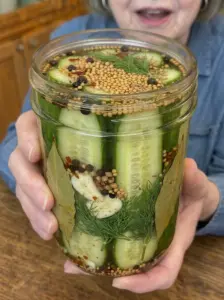
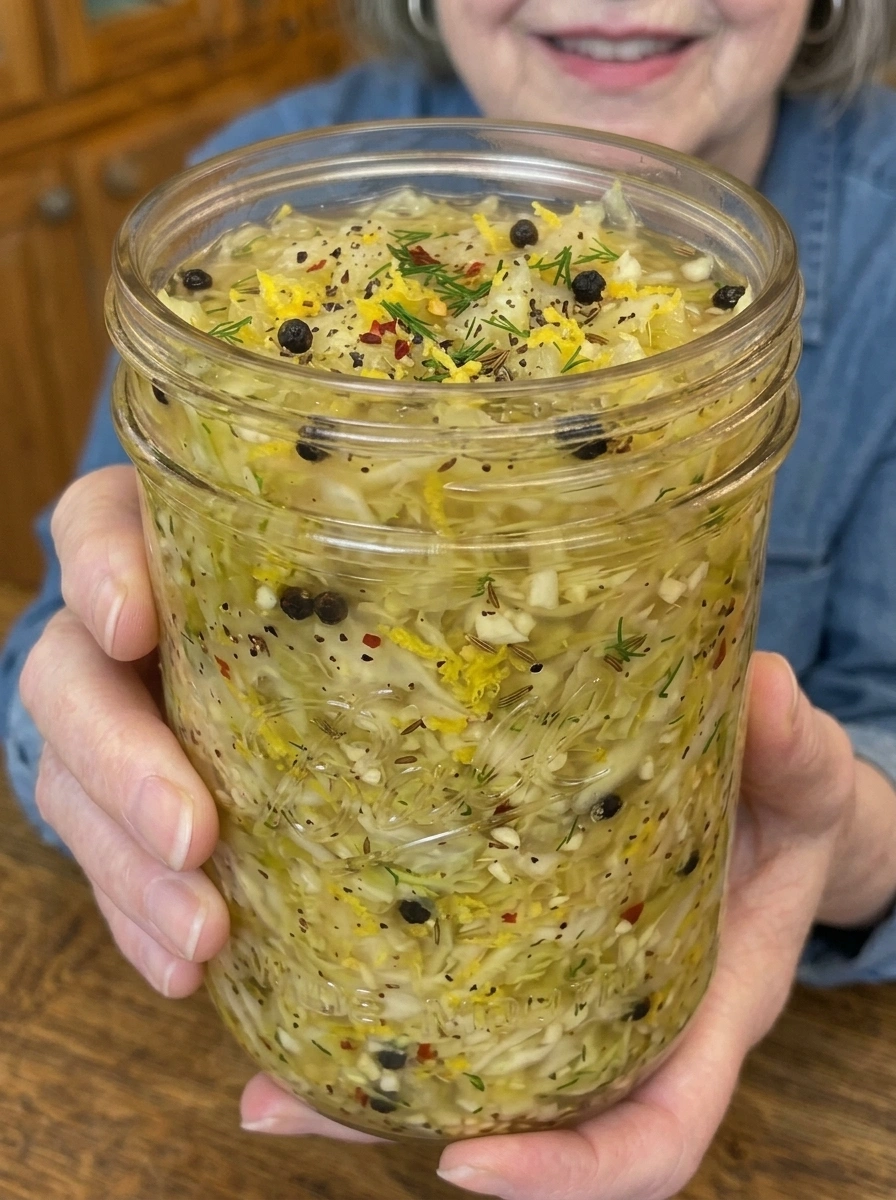
There’s something deeply satisfying about making your own fermented foods at home, and this Lemon Pepper Sauerkraut offers a bright, zesty twist on the classic that’s well worth the wait. Fresh green cabbage gets massaged with sea salt, bright lemon zest and juice, and cracked black pepper, then left to ferment slowly into a tangy, probiotic-rich condiment bursting with flavor. The result is a sauerkraut that’s noticeably brighter and more citrus-forward than traditional versions, with just the right amount of peppery bite in every bite.
Whether you’re an experienced home fermenter looking to try a new flavor combination, or you’re completely new to the world of fermentation and want an approachable, rewarding first project, this Lemon Pepper Sauerkraut delivers a wonderfully flavorful result with just a handful of ingredients and a little patience. It’s the kind of homemade condiment that elevates everything from a simple sandwich to a hearty dinner plate.
Let’s explore everything that makes this citrus-forward fermented cabbage such a rewarding project.
Why You’ll Love This Lemon Pepper Sauerkraut
It’s a naturally probiotic-rich food. Like traditional sauerkraut, this fermented cabbage develops beneficial bacteria during the fermentation process, making it a wonderful addition to a diet that includes fermented foods.
The lemon and pepper combination is bright and unexpected. Rather than sticking with the traditional caraway-forward flavor of classic sauerkraut, this version leans into fresh lemon zest, lemon juice, and cracked black pepper for a noticeably brighter, more vibrant flavor profile.
It’s highly customizable. With a long list of optional add-ins ranging from caraway seeds to fresh ginger to crushed red pepper flakes, this recipe can easily be adapted to create your own signature version.
It requires minimal hands-on effort. Beyond the initial massaging and packing process, this sauerkraut essentially makes itself, quietly fermenting on your counter with no further attention needed until it’s ready to taste.
It’s a wonderful way to preserve cabbage. Fermentation transforms a simple, affordable vegetable into a long-lasting, flavorful condiment that can be enjoyed for months.
It pairs beautifully with an enormous range of dishes. From grilled meats to sandwiches to grain bowls, this tangy, citrusy sauerkraut adds a bright, acidic contrast to all sorts of meals.
It’s a rewarding, low-cost kitchen project. With just cabbage, salt, and a handful of pantry seasonings, this recipe offers a satisfying homemade project that costs very little while yielding a substantial amount of finished sauerkraut.
Ingredient Breakdown: What You’ll Need and Why
Understanding the role of each ingredient helps ensure successful fermentation and the best possible flavor in your finished sauerkraut.
The Cabbage
Green cabbage, finely shredded, forms the base of this recipe. Cabbage is naturally well-suited to fermentation, as its high water content and natural sugars support the growth of beneficial bacteria throughout the fermentation process. Shredding it finely helps it release its natural juices more easily during the massaging step.
The Salt
Non-iodized sea salt is essential for proper fermentation. Salt draws moisture out of the cabbage to create the brine that the cabbage will ferment in, while also inhibiting the growth of harmful bacteria and allowing beneficial fermentation bacteria to thrive. Non-iodized salt is specifically recommended, as iodized salt can sometimes interfere with the fermentation process.
The Lemon
Fresh lemon zest and lemon juice are what set this sauerkraut apart from a traditional version, infusing the fermenting cabbage with bright, aromatic citrus flavor throughout the entire fermentation process.
The Pepper
Freshly cracked black pepper and whole black peppercorns add a bold, spicy warmth that balances beautifully against the bright lemon flavor, creating that classic “lemon pepper” flavor profile in fermented form.
The Garlic
Minced garlic adds a savory, aromatic depth that rounds out the overall flavor of the finished sauerkraut.
The Optional Add-Ins
For those wanting to further customize their sauerkraut, a variety of optional add-ins can be included: caraway seeds and dill seeds offer classic, traditional sauerkraut flavor notes, mustard seeds add a subtle, tangy bite, and fresh grated ginger contributes warmth and a hint of spice. A thinly sliced shallot adds a mild, slightly sweet allium flavor, crushed red pepper flakes bring some heat, and chopped fresh dill adds a bright, herbaceous finish.
Step-by-Step Directions
Step 1: Prepare the Ingredients
Wash and prepare all your ingredients before beginning. Finely shred the cabbage and place it into a large mixing bowl.
Step 2: Season the Cabbage
Add the sea salt, lemon zest, lemon juice, cracked black pepper, whole peppercorns, and minced garlic to the shredded cabbage. If using any of the optional add-ins, add them at this stage as well.
Step 3: Massage the Cabbage
Using clean hands, massage the cabbage mixture firmly for 8 to 10 minutes, squeezing and pressing the cabbage as you go. This step is essential, as it breaks down the cabbage’s cell structure and encourages it to release plenty of natural liquid, which will become the brine for fermentation. You’ll know you’ve massaged long enough once the cabbage has softened noticeably and a good amount of liquid has pooled in the bowl.
Step 4: Pack the Jar
Pack the massaged cabbage mixture tightly into a clean 1- to 2-quart fermentation jar, pressing down firmly after each handful to eliminate any air pockets. Pour any remaining brine left in the bowl into the jar as well.
Step 5: Submerge and Weight the Cabbage
Press the cabbage down below the surface of the brine using a fermentation weight or a small, clean glass jar that fits inside the fermentation vessel. Keeping the cabbage fully submerged beneath the brine is essential for successful, safe fermentation.
Step 6: Cover and Ferment
Cover the jar with a fermentation lid, or a loosely fitted regular lid, to allow fermentation gases to escape safely during the process. Place the jar at room temperature, ideally between 65–72°F (18–22°C), in a spot away from direct sunlight.
Step 7: Ferment and Taste
Allow the sauerkraut to ferment for 7 to 14 days. Starting after the first week, taste the sauerkraut periodically until it reaches your preferred level of tanginess — the longer it ferments, the more pronounced and tangy the flavor will become.
Step 8: Refrigerate
Once the sauerkraut has reached your desired level of fermentation, remove the weight, seal the jar with a regular lid, and transfer it to the refrigerator, where the fermentation process will slow down significantly.
Step 9: Serve
Enjoy this tangy, citrusy sauerkraut alongside grilled chicken, pork chops, burgers, sausages, sandwiches, wraps, roasted vegetables, grain bowls, or fresh salads.
Expert Tips for the Best Lemon Pepper Sauerkraut
Massage the cabbage thoroughly. Don’t rush this step — a full 8 to 10 minutes of firm massaging is what draws out enough natural liquid to create a proper brine for fermentation.
Keep the cabbage fully submerged. This is one of the most important food safety principles in home fermentation. Any cabbage exposed to air above the brine line is at a higher risk of mold growth, so make sure your fermentation weight keeps everything pressed below the surface throughout the entire process.
Use non-iodized salt. Iodized table salt can sometimes interfere with the fermentation process or affect the flavor and appearance of the finished sauerkraut, so opt for non-iodized sea salt or a salt specifically labeled for canning and pickling.
Taste as you go. Fermentation time can vary based on your kitchen’s temperature and your personal flavor preferences. Start tasting after the first week and continue fermenting until the sauerkraut reaches the tanginess level you enjoy most.
Keep the jar out of direct sunlight. A cool, dark spot on the counter is ideal for fermentation, as direct sunlight can affect the temperature and consistency of the fermentation process.
Use clean utensils when serving. Always use a clean utensil when removing sauerkraut from the jar to help preserve its freshness and prevent introducing unwanted bacteria during storage.
Experiment with the optional add-ins. Trying different combinations of caraway seeds, dill, ginger, or shallot allows you to create your own signature version of this lemon pepper sauerkraut over time.
Serving Suggestions
This bright, tangy sauerkraut pairs beautifully with a wide variety of dishes:
- Grilled chicken or pork chops benefit from the bright acidity and pepper notes of this sauerkraut as a flavorful side.
- Burgers and sausages are elevated wonderfully by a generous topping of this citrusy, tangy condiment.
- Sandwiches and wraps gain a satisfying crunch and tang when this sauerkraut is added as a topping.
- Roasted vegetables pair beautifully with the bright, acidic quality of the fermented cabbage.
- Grain bowls and fresh salads benefit from the probiotic boost and tangy flavor this sauerkraut adds as a topping or side.
Storage Information
Refrigerator: Store the finished sauerkraut in the refrigerator for up to 6 months. Always keep the cabbage submerged beneath the brine to help preserve its freshness and quality over time.
Serving hygiene: Use a clean utensil every time you serve the sauerkraut, as introducing contaminated utensils into the jar can shorten its shelf life and affect its quality.
Frequently Asked Questions
How do I know if my sauerkraut has fermented properly? Properly fermented sauerkraut should have a pleasantly tangy, sour aroma and flavor, along with a slightly softened but still crunchy texture. Any off, putrid smells, or visible mold should be signs to discard the batch.
Why is it important to keep the cabbage submerged in the brine? Cabbage exposed to air above the brine line is at a much higher risk of developing mold during fermentation. Keeping everything submerged beneath the brine helps create an anaerobic environment that supports safe, successful fermentation.
Can I use a different type of cabbage? Green cabbage is traditional and works wonderfully for this recipe, though savoy or napa cabbage can also be used, though the texture and fermentation time may vary slightly.
What if my sauerkraut doesn’t produce enough brine? If, after massaging, there isn’t quite enough liquid to fully submerge the cabbage in the jar, you can add a small amount of additional brine made from water and salt (in the same ratio used in the recipe) to ensure the cabbage stays fully submerged.
How long does fermentation typically take? Fermentation time can range from 7 to 14 days, depending on your kitchen’s temperature and your personal preference for tanginess. Warmer temperatures tend to speed up fermentation, while cooler temperatures slow it down.
Is it normal to see bubbles in the jar during fermentation? Yes, bubbling is a completely normal sign of active fermentation, as beneficial bacteria produce carbon dioxide as a natural byproduct of the process.
Can I adjust the amount of lemon or pepper in this recipe? Absolutely. Feel free to adjust the amount of lemon zest, lemon juice, and cracked pepper to suit your personal taste preferences, keeping the overall salt ratio consistent for successful fermentation.
Print
Lemon Pepper Sauerkraut: A Bright, Tangy Twist on a Fermented Classic
Ingredients
For the Sauerkraut:
- 1 medium green cabbage (about 2½ lbs), finely shredded
- 2 tbsp non-iodized sea salt
- 1 tbsp fresh lemon zest
- 2 tbsp fresh lemon juice
- 2 tsp freshly cracked black pepper
- 1 tsp black peppercorns
- 2 cloves garlic, minced
Optional Add-Ins:
- 1 tsp caraway seeds
- 1 tsp dill seeds
- 1 tsp mustard seeds
- 1 tbsp fresh grated ginger
- 1 small shallot, thinly sliced
- ½ tsp crushed red pepper flakes
- 1 tbsp chopped fresh dill
Instructions
- Wash and prepare all the ingredients. Finely shred the cabbage and place it into a large mixing bowl.
- Add the sea salt, lemon zest, lemon juice, cracked black pepper, peppercorns, and minced garlic. Add any optional add-ins now.
- Massage the cabbage mixture firmly for 8–10 minutes, squeezing and pressing until it softens and releases plenty of natural brine.
- Pack the mixture tightly into a clean 1- to 2-quart fermentation jar, pressing down firmly after each handful to eliminate air pockets. Pour in any remaining brine.
- Press the cabbage below the surface of the brine using a fermentation weight or small clean glass jar.
- Cover the jar with a fermentation lid or loosely fitted lid. Leave at room temperature (65–72°F / 18–22°C) away from direct sunlight.
- Ferment for 7–14 days, tasting after the first week until the sauerkraut reaches your preferred tanginess.
- Once fermentation is complete, remove the weight, seal with a regular lid, and refrigerate.
- Serve with grilled chicken, pork chops, burgers, sausages, sandwiches, wraps, roasted vegetables, grain bowls, or fresh salads.