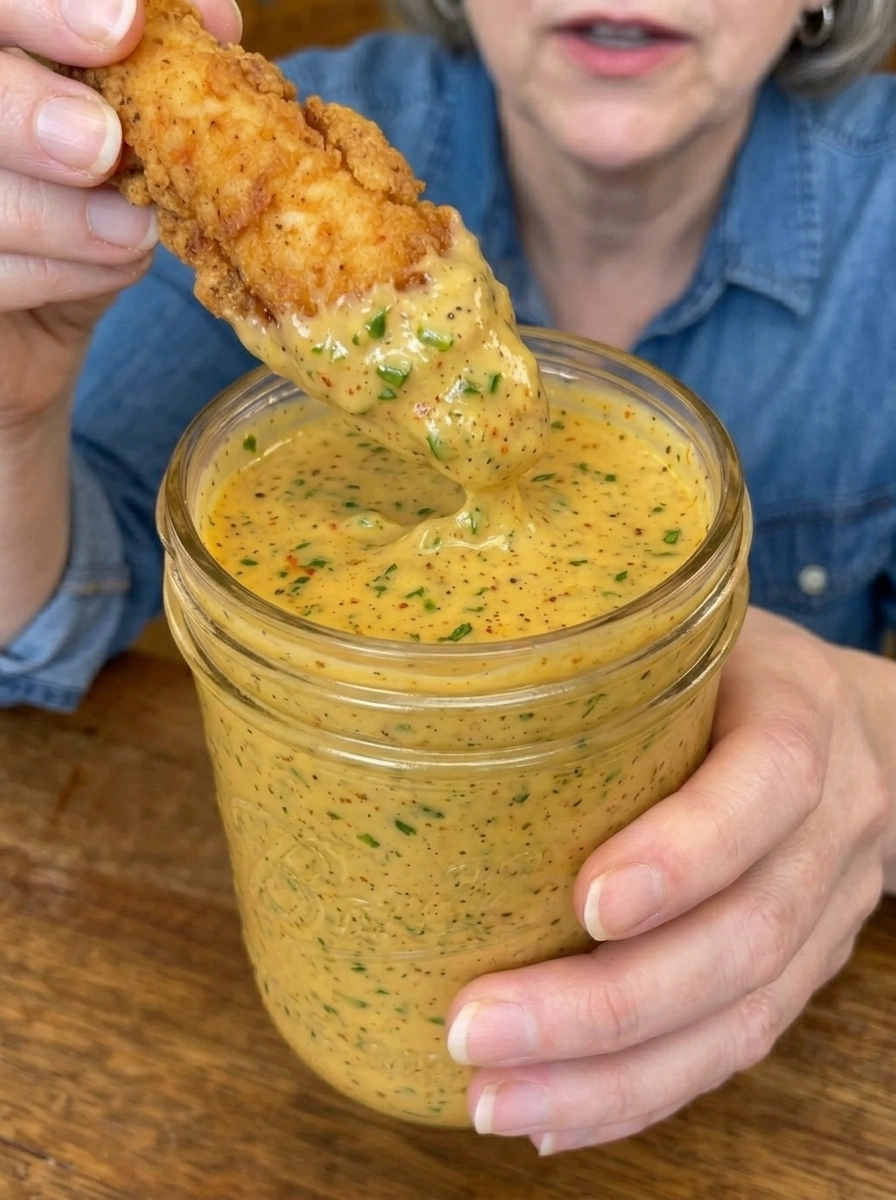
Honey mustard is one of those sauces that already has a devoted following. People put it on everything: chicken tenders, fries, sandwiches, salads, pretzels. It’s sweet, tangy, creamy, and deeply satisfying in a way that’s hard to articulate but impossible to argue with. Now take that sauce, add minced fresh jalapeño for slow-building heat, roasted garlic for savory depth, smoked paprika for a hint of smokiness, and a splash of apple cider vinegar to sharpen everything into focus — and you have something that makes regular honey mustard feel like a rough draft.
Jalapeño Honey Mustard Sauce is the condiment upgrade you didn’t know you needed until right now. It hits every note simultaneously: sweet from honey, tangy from two kinds of mustard and apple cider vinegar, creamy from mayonnaise, and spicy from fresh jalapeño that builds gently with each bite. It takes ten minutes to make, requires no cooking whatsoever, and produces a sauce so good that you’ll be finding reasons to put it on things that were never meant to be dipped, drizzled, or spread.
This guide covers exactly what makes this sauce work, a breakdown of every ingredient and why each one matters, step-by-step instructions for getting it exactly right, tips for adjusting the heat and flavor balance, and every possible use for a jar of it once it’s chilling in your fridge.
Why This Sauce Works So Well
Great sauces aren’t just combinations of good ingredients — they’re carefully balanced compositions where each element serves a specific role in the overall flavor architecture. Jalapeño Honey Mustard Sauce is a masterclass in that kind of balance, and understanding why it works makes you a better cook and a more confident sauce-maker.
The Sweet-Tangy-Creamy Foundation
Classic honey mustard is built on three pillars: sweetness from honey, tang from mustard, and creaminess from mayonnaise. These three elements form one of the most harmonious flavor combinations in condiment history because they each need each other. Honey without mustard is just sweet. Mustard without honey is just sharp. Both without the creamy richness of mayonnaise would be too intense and too thin to qualify as a sauce. Together, they create something balanced, complex, and deeply satisfying.
What the Jalapeño Adds
The fresh jalapeño is the element that transforms a classic into something genuinely exciting. It doesn’t overpower the sweet-tangy base — it adds a layer beneath it that reveals itself a few seconds after each bite, a slow, building warmth that makes you want another taste to chase it. Fresh jalapeño also contributes a bright, vegetal, green-pepper flavor that you don’t get from dried chili or hot sauce — something clean and fresh that lifts the whole sauce.
The Double Mustard Strategy
Using both yellow mustard and Dijon mustard is a deliberate choice, and the difference matters. Yellow mustard is bright, tangy, and slightly vinegary with a mild heat — it’s what gives classic honey mustard its characteristic zip. Dijon mustard is more complex, more refined, and slightly more pungent, with a depth of flavor and a creaminess that yellow mustard lacks. Together they produce a mustard flavor that’s more dimensional than either would achieve alone: bright and tangy from the yellow, deep and complex from the Dijon.
The Acid Brighteners
Apple cider vinegar and lemon juice each contribute acidity, but they’re not redundant. Apple cider vinegar is mild, slightly fruity, and adds a fermented complexity. Lemon juice is brighter and more citrus-forward. Together they add two different kinds of acid brightness that prevent the sauce from tasting heavy or flat — they’re the reason every element of the flavor is clearly distinct and forward rather than muddled.
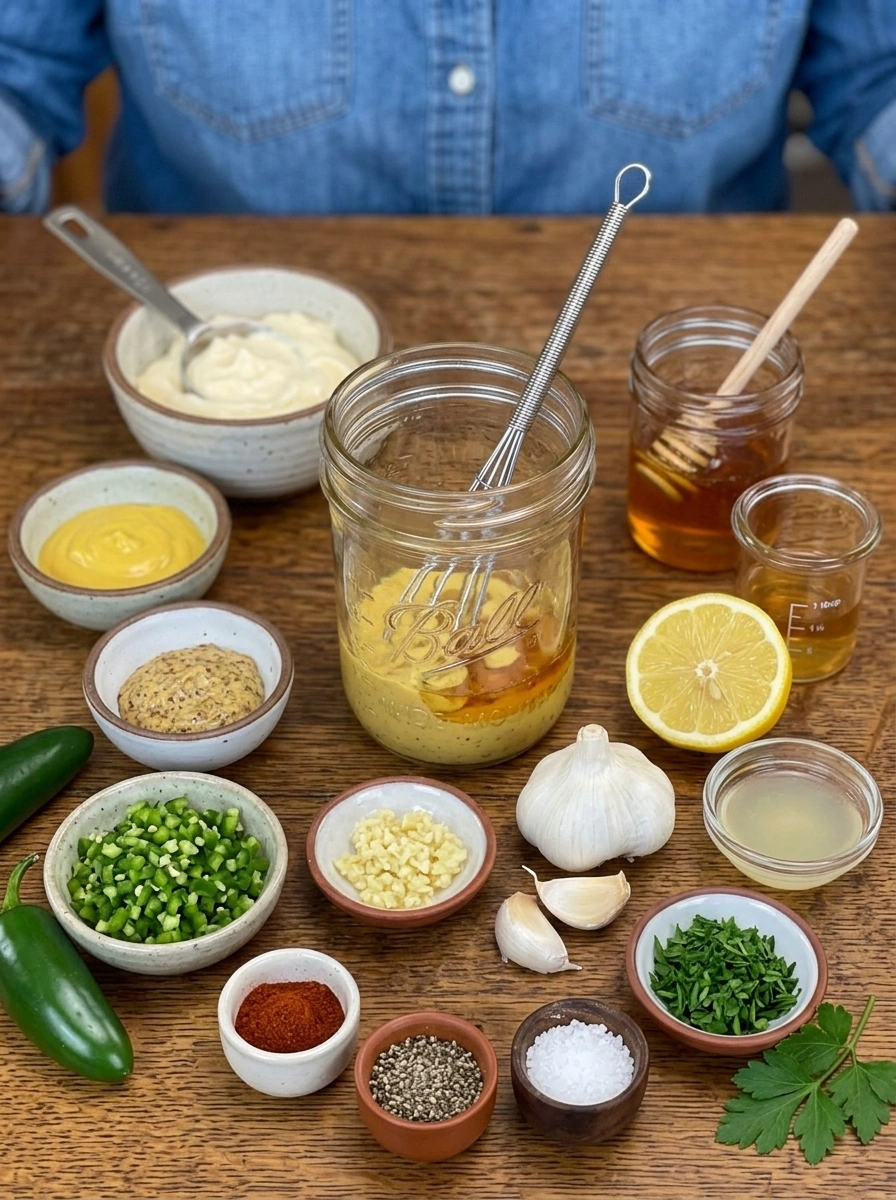
Ingredient Breakdown: What Every Component Does
Mayonnaise (½ cup)
The creamy backbone that holds everything together and gives the sauce its rich, coating texture. Mayonnaise is an emulsion of oil and egg yolk, which means it’s already thick and stable — it doesn’t separate, it doesn’t break, and it coats evenly. It also tempers the sharpness of the mustard and the heat of the jalapeño, making the overall sauce smooth and approachable rather than sharp and aggressive. Use full-fat mayonnaise for the richest result. Light mayo works but produces a thinner sauce with less body.
Yellow Mustard (¼ cup)
The tangy anchor of the mustard base. Yellow mustard is made from white or yellow mustard seeds ground with vinegar and turmeric, which gives it its characteristic bright yellow color and mild, vinegary tang. It contributes the primary mustard flavor that makes this unmistakably a honey mustard sauce — familiar, bright, and slightly sharp.
Dijon Mustard (2 tbsp)
The sophisticated supporting player. Dijon is made with brown or black mustard seeds and white wine or verjuice instead of vinegar, which produces a more complex, more intensely flavored mustard with a smoother texture and more pungent heat than yellow mustard. Two tablespoons adds depth and complexity without overwhelming the bright yellow mustard base. If you want the sauce to lean more refined and complex, increase the Dijon; if you want it brighter and more classic, keep it as written.
Honey (3 tbsp)
The sweetness that makes this sauce irresistible. Three tablespoons is the sweet spot — enough to balance the acidity of the mustard and vinegar and complement the heat of the jalapeño without making the sauce taste like dessert. The type of honey influences the character of the finished sauce: mild clover honey lets the other flavors lead; a more assertive wildflower or buckwheat honey adds its own personality. For a more complex, slightly caramel-adjacent sweetness, substitute one tablespoon of the honey with an equal amount of maple syrup.
Jalapeños (1–2, finely minced)
The heat and character that separates this from every standard honey mustard you’ve ever had. Finely minced is the right preparation — you want the jalapeño flavor distributed evenly throughout the sauce in every bite rather than concentrated in occasional chunks. One jalapeño delivers a mild, approachable heat that most people barely register as spicy. Two jalapeños produce a genuine, building warmth that earns the “spicy” label. For maximum heat, leave the seeds and white membranes intact. For flavor with less fire, remove them before mincing.
A practical note: always wash your hands thoroughly after handling jalapeños, and avoid touching your eyes or face. The capsaicin in jalapeños transfers easily and can cause significant irritation.
Garlic (2 cloves, minced)
Adds savory depth that prevents the sauce from tasting one-dimensionally sweet-tangy. Two cloves of fresh minced garlic contribute a pungent, aromatic intensity that works in concert with the jalapeño rather than competing with it. If raw garlic is too sharp for your preference, let the sauce rest in the refrigerator for several hours — the acid in the mustard and vinegar gradually mellows the sharpness of raw garlic over time, just as it does in a vinaigrette.
Apple Cider Vinegar (1 tbsp)
A mild, slightly fruity acid that brightens the sauce and sharpens all the other flavors into focus. Apple cider vinegar has a gentler, more complex character than white vinegar and works particularly well alongside honey, as the mild fruitiness complements the honey’s floral sweetness. It’s also what keeps the sauce from feeling heavy — fat-forward sauces like mayonnaise-based preparations always benefit from acid.
Lemon Juice (1 tsp)
A second acid brightener that adds a clean, citrus-forward lift distinct from the apple cider vinegar’s fruity warmth. A single teaspoon is enough to make a noticeable difference — it sharpens the flavor of the fresh jalapeño in particular, making its green brightness more vivid.
Smoked Paprika (½ tsp)
The quiet complexity builder. Half a teaspoon of smoked paprika adds a faint, wood-fire smokiness and a gorgeous warm color without being identifiable as “paprika” in the finished sauce. It’s one of those ingredients that you might not consciously notice but that makes the sauce taste more interesting and more complete. It also complements the jalapeño’s heat with a different, drier kind of warmth.
Black Pepper (¼ tsp) and Salt (to taste)
Black pepper adds aromatic warmth. Salt does what salt always does: it makes every other flavor more itself. Season gradually and taste as you go — the mustard and mayonnaise both contribute salt, so the amount you need will vary.
Fresh Parsley (1 tbsp, optional)
Stirred in at the end, fresh parsley adds a bright green color and a clean, herbal freshness that makes the sauce look and taste more vibrant. It’s genuinely optional but worth including when serving the sauce for company or on a spread — it makes the finished sauce look considerably more beautiful.
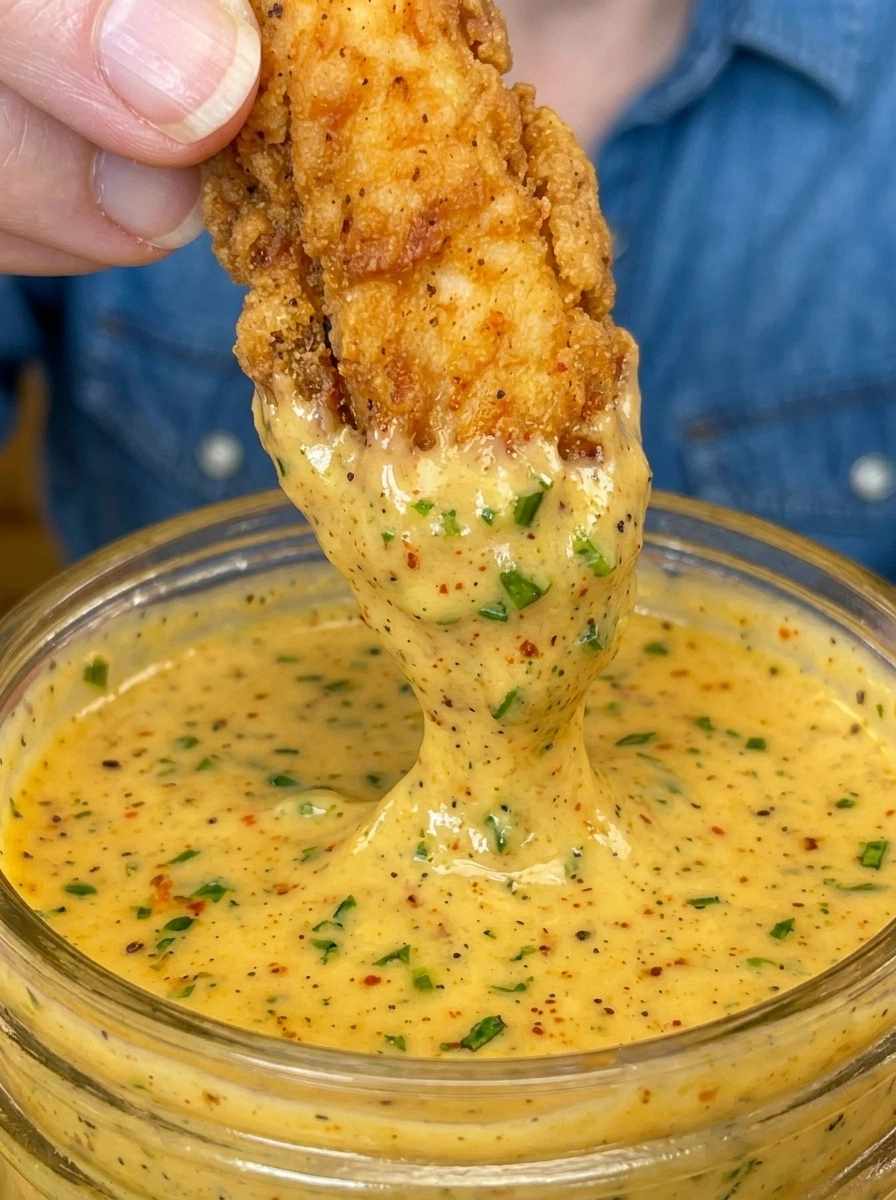
How to Make Jalapeño Honey Mustard Sauce: Step-by-Step
Step 1: Prepare the Jalapeños and Garlic
Before anything goes into the bowl, do your knife work. Mince the jalapeños and garlic as finely as possible — almost a paste-like consistency for the jalapeños is ideal, especially if you want the heat evenly distributed without visible chunks. If you have a microplane grater, it works beautifully for the garlic.
This prep step is worth taking time on. Chunky minced jalapeño means pockets of intense heat rather than consistent warmth throughout. Fine mincing ensures every bite of sauce is equally balanced.
Step 2: Combine the Wet Ingredients
In a medium bowl, add the mayonnaise, yellow mustard, Dijon mustard, and honey. Whisk together until fully combined and smooth. The mixture will be thick and pale yellow at this point — the color of classic honey mustard.
Step 3: Add Everything Else
Add the minced jalapeños, garlic, apple cider vinegar, lemon juice, smoked paprika, black pepper, and a pinch of salt. Whisk thoroughly until completely smooth and uniformly combined. The sauce will deepen in color from the smoked paprika and jalapeño and will smell extraordinary — garlicky, tangy, and slightly spicy.
Step 4: Taste and Adjust
This is the most important step. Taste the sauce critically and adjust:
- Too sharp or tangy? Add another half tablespoon of honey.
- Not tangy enough? Add a small splash more apple cider vinegar or an extra squeeze of lemon.
- Not spicy enough? Add more jalapeño, a pinch more smoked paprika, or a few drops of hot sauce.
- Too spicy? Add another tablespoon of mayonnaise or honey to dilute the heat.
- Needs more depth? Add a small amount of additional Dijon mustard.
- Flat overall? A pinch more salt almost always fixes this.
Step 5: Add Parsley and Rest
Stir in the fresh parsley if using. Cover the bowl with plastic wrap or transfer to an airtight jar and refrigerate for at least 30 minutes before serving.
The resting period isn’t just a formality. During those 30 minutes — and increasingly over the hours and days the sauce sits in the fridge — the flavors meld and integrate. The raw edge of the garlic mellows. The jalapeño’s heat distributes more evenly. The mustard and honey settle into each other. A sauce tasted immediately after mixing is good. The same sauce after an overnight rest is significantly better in every way.
Tips for the Perfect Sauce Every Time
Mince the jalapeño as fine as possible. Use a sharp knife and patience, or a small food processor. The difference in texture and heat distribution between finely minced and roughly chopped jalapeño is significant.
Taste with what you’re serving it with. A sauce that tastes perfectly balanced when eaten alone may need adjustment when paired with something very rich (like fried chicken) or very mild (like raw vegetables). Dip a piece of whatever you’re serving and adjust accordingly.
Make it a day ahead. Overnight refrigeration produces a noticeably better sauce. The flavors integrate and the raw garlic sharpness mellows completely. If you have time, make it the night before you need it.
Control the heat with seeds. The seeds and white membranes of a jalapeño contain the vast majority of the capsaicin. Remove them for mild heat, keep them for full fire. This gives you precise control over the spice level without changing anything else about the recipe.
Don’t skip the smoked paprika. It sounds optional based on the quantity, but half a teaspoon punches considerably above its weight in terms of the depth and complexity it adds. It’s one of the things that makes people ask what’s different about this sauce compared to standard honey mustard.
Every Way to Use Jalapeño Honey Mustard Sauce
As a dipping sauce for chicken tenders. The most natural pairing in the world — sweet, spicy, and creamy sauce against crispy, juicy chicken. Whether you’re making homemade chicken tenders or buying them from a restaurant, this sauce is what they’ve been waiting for.
On burgers. Spread generously on both halves of the bun. It works on beef, turkey, chicken, and veggie burgers equally well — the sweet-spicy complexity complements virtually every patty.
On hot dogs and sausages. In place of or alongside standard mustard, this sauce turns a simple hot dog into something considerably more interesting.
As a dipping sauce for fries. Sweet potato fries in particular — the natural sweetness of the potato against the honey-mustard-jalapeño combination is one of those flavor pairings that feels inevitable once you try it.
On sandwiches and wraps. Use in place of mayo, mustard, or any standard spread. Turkey, roast beef, grilled chicken, BLTs — it improves all of them.
As a salad dressing. Thin with a splash of apple cider vinegar and a drizzle of olive oil for a creamy, spicy honey mustard dressing that works on everything from a simple green salad to a hearty kale and grain bowl.
For pretzel dipping. The salty-savory crunch of a soft pretzel against this sweet-spicy sauce is a snack combination that requires no improvement.
With roasted vegetables. Drizzle over roasted broccoli, cauliflower, carrots, or Brussels sprouts straight from the oven. The sauce melts slightly into the hot vegetables and caramelizes around the edges in the most beautiful way.
As a sandwich press sauce. Spread on bread before pressing a panini or grilled cheese — the honey caramelizes against the griddle and the mustard adds a tang that standard butter can’t replicate.
As a grain bowl sauce. A generous drizzle over a bowl of roasted vegetables, quinoa or farro, and chickpeas or grilled chicken ties every element of the bowl together with a cohesive, vibrant flavor.
As a glaze for baked chicken. Brush generously over chicken thighs or drumsticks before the final 10 minutes of baking. The honey caramelizes under the heat and the jalapeño adds a spiced crust that’s outstanding.
Variations to Try
Extra Smoky: Increase the smoked paprika to one full teaspoon and add a small chipotle pepper in adobo, finely minced. The sauce takes on a deep, BBQ-adjacent smokiness that’s extraordinary with grilled chicken.
Maple Jalapeño Mustard: Replace one tablespoon of honey with an equal amount of pure maple syrup. The maple adds a more complex, slightly woodsy sweetness that pairs exceptionally well with pork, turkey, and sweet potato fries.
Garlic Lover’s Version: Double the garlic to four cloves. After resting overnight, the garlic melds into the sauce completely and adds a savory depth that makes it especially good on burgers and sandwiches.
Habanero Version: Replace the jalapeños with one seeded habanero for fruity, floral, significantly more intense heat. Keep the rest of the recipe identical — the habanero’s tropical fruitiness plays beautifully against the honey.
Herb-Forward: Double the fresh parsley and add two teaspoons of fresh chopped chives or tarragon. The herbs move the sauce in a more green, garden-fresh direction — excellent as a dipping sauce for crudités and a salad dressing.
Vegan Version: Replace the mayonnaise with a good vegan mayo (Vegenaise and Just Mayo are both excellent) and ensure the honey is swapped for an equal amount of agave nectar or maple syrup. The result is fully plant-based and nearly indistinguishable from the original.
Frequently Asked Questions
Can I make this sauce ahead of time? Yes — and you should. Jalapeño Honey Mustard Sauce is significantly better after overnight refrigeration. Make it up to three days ahead and it will be at peak flavor. It keeps well for a full week.
How do I make it less spicy? Remove the jalapeño seeds and membranes before mincing, use only one jalapeño, or omit it entirely and add just a pinch of smoked paprika for warmth without heat. You can also add an extra tablespoon of honey or mayonnaise to dilute existing heat.
Can I use hot honey instead of regular honey? Yes, and it’s a wonderful variation. Hot honey adds sweetness and heat simultaneously and creates a different kind of spice profile than fresh jalapeño. Use it in place of regular honey and reduce or omit the jalapeños depending on how spicy the hot honey is.
Can I blend this sauce for a smoother texture? Yes. Transfer all ingredients to a blender or food processor and blitz until completely smooth. This produces a more uniform, restaurant-style texture with no visible jalapeño or garlic pieces — great for presentations where appearance matters.
Why does the sauce taste better the next day? The acidity in the mustard and vinegar gradually mellows the raw garlic’s sharpness, the jalapeño’s heat distributes more evenly through the sauce, and the honey, mustard, and mayo settle into each other completely. It’s the same reason most vinaigrettes and marinades improve with time: acid and fat need time to integrate.
Recipe at a Glance
| Detail | Info |
|---|---|
| Prep Time | 10 minutes |
| Cook Time | 0 minutes |
| Total Time | 10 minutes (plus 30 min rest) |
| Servings | 8 |
| Calories | ~120 per serving |
| Storage | Up to 1 week refrigerated |
Final Thoughts
Jalapeño Honey Mustard Sauce is the kind of condiment that earns a permanent place in your refrigerator the moment you make it the first time. It takes ten minutes, uses ingredients you probably already have, and produces a sauce so much better than anything from a bottle that the comparison feels almost unfair.
Make it for your next cookout, your next game day spread, your next batch of chicken tenders. Set it out with a bowl of pretzels. Watch people reach for it again and again, and then ask you for the recipe.
The answer is easy: ten minutes, one bowl, and a jalapeño or two.
Print
Jalapeño Honey Mustard Sauce: Sweet, Tangy, Creamy, and Spicy — One Dip and You’re Hooked
- Total Time: 10 minutes (plus 30 min rest)
Ingredients
Mayonnaise (½ cup)
The creamy backbone that holds everything together and gives the sauce its rich, coating texture. Mayonnaise is an emulsion of oil and egg yolk, which means it’s already thick and stable — it doesn’t separate, it doesn’t break, and it coats evenly. It also tempers the sharpness of the mustard and the heat of the jalapeño, making the overall sauce smooth and approachable rather than sharp and aggressive. Use full-fat mayonnaise for the richest result. Light mayo works but produces a thinner sauce with less body.
Yellow Mustard (¼ cup)
The tangy anchor of the mustard base. Yellow mustard is made from white or yellow mustard seeds ground with vinegar and turmeric, which gives it its characteristic bright yellow color and mild, vinegary tang. It contributes the primary mustard flavor that makes this unmistakably a honey mustard sauce — familiar, bright, and slightly sharp.
Dijon Mustard (2 tbsp)
The sophisticated supporting player. Dijon is made with brown or black mustard seeds and white wine or verjuice instead of vinegar, which produces a more complex, more intensely flavored mustard with a smoother texture and more pungent heat than yellow mustard. Two tablespoons adds depth and complexity without overwhelming the bright yellow mustard base. If you want the sauce to lean more refined and complex, increase the Dijon; if you want it brighter and more classic, keep it as written.
Honey (3 tbsp)
The sweetness that makes this sauce irresistible. Three tablespoons is the sweet spot — enough to balance the acidity of the mustard and vinegar and complement the heat of the jalapeño without making the sauce taste like dessert. The type of honey influences the character of the finished sauce: mild clover honey lets the other flavors lead; a more assertive wildflower or buckwheat honey adds its own personality. For a more complex, slightly caramel-adjacent sweetness, substitute one tablespoon of the honey with an equal amount of maple syrup.
Jalapeños (1–2, finely minced)
The heat and character that separates this from every standard honey mustard you’ve ever had. Finely minced is the right preparation — you want the jalapeño flavor distributed evenly throughout the sauce in every bite rather than concentrated in occasional chunks. One jalapeño delivers a mild, approachable heat that most people barely register as spicy. Two jalapeños produce a genuine, building warmth that earns the “spicy” label. For maximum heat, leave the seeds and white membranes intact. For flavor with less fire, remove them before mincing.
A practical note: always wash your hands thoroughly after handling jalapeños, and avoid touching your eyes or face. The capsaicin in jalapeños transfers easily and can cause significant irritation.
Garlic (2 cloves, minced)
Adds savory depth that prevents the sauce from tasting one-dimensionally sweet-tangy. Two cloves of fresh minced garlic contribute a pungent, aromatic intensity that works in concert with the jalapeño rather than competing with it. If raw garlic is too sharp for your preference, let the sauce rest in the refrigerator for several hours — the acid in the mustard and vinegar gradually mellows the sharpness of raw garlic over time, just as it does in a vinaigrette.
Apple Cider Vinegar (1 tbsp)
A mild, slightly fruity acid that brightens the sauce and sharpens all the other flavors into focus. Apple cider vinegar has a gentler, more complex character than white vinegar and works particularly well alongside honey, as the mild fruitiness complements the honey’s floral sweetness. It’s also what keeps the sauce from feeling heavy — fat-forward sauces like mayonnaise-based preparations always benefit from acid.
Lemon Juice (1 tsp)
A second acid brightener that adds a clean, citrus-forward lift distinct from the apple cider vinegar’s fruity warmth. A single teaspoon is enough to make a noticeable difference — it sharpens the flavor of the fresh jalapeño in particular, making its green brightness more vivid.
Smoked Paprika (½ tsp)
The quiet complexity builder. Half a teaspoon of smoked paprika adds a faint, wood-fire smokiness and a gorgeous warm color without being identifiable as “paprika” in the finished sauce. It’s one of those ingredients that you might not consciously notice but that makes the sauce taste more interesting and more complete. It also complements the jalapeño’s heat with a different, drier kind of warmth.
Black Pepper (¼ tsp) and Salt (to taste)
Black pepper adds aromatic warmth. Salt does what salt always does: it makes every other flavor more itself. Season gradually and taste as you go — the mustard and mayonnaise both contribute salt, so the amount you need will vary.
Fresh Parsley (1 tbsp, optional)
Stirred in at the end, fresh parsley adds a bright green color and a clean, herbal freshness that makes the sauce look and taste more vibrant. It’s genuinely optional but worth including when serving the sauce for company or on a spread — it makes the finished sauce look considerably more beautiful.
Instructions
Step 1: Prepare the Jalapeños and Garlic
Before anything goes into the bowl, do your knife work. Mince the jalapeños and garlic as finely as possible — almost a paste-like consistency for the jalapeños is ideal, especially if you want the heat evenly distributed without visible chunks. If you have a microplane grater, it works beautifully for the garlic.
This prep step is worth taking time on. Chunky minced jalapeño means pockets of intense heat rather than consistent warmth throughout. Fine mincing ensures every bite of sauce is equally balanced.
Step 2: Combine the Wet Ingredients
In a medium bowl, add the mayonnaise, yellow mustard, Dijon mustard, and honey. Whisk together until fully combined and smooth. The mixture will be thick and pale yellow at this point — the color of classic honey mustard.
Step 3: Add Everything Else
Add the minced jalapeños, garlic, apple cider vinegar, lemon juice, smoked paprika, black pepper, and a pinch of salt. Whisk thoroughly until completely smooth and uniformly combined. The sauce will deepen in color from the smoked paprika and jalapeño and will smell extraordinary — garlicky, tangy, and slightly spicy.
Step 4: Taste and Adjust
This is the most important step. Taste the sauce critically and adjust:
- Too sharp or tangy? Add another half tablespoon of honey.
- Not tangy enough? Add a small splash more apple cider vinegar or an extra squeeze of lemon.
- Not spicy enough? Add more jalapeño, a pinch more smoked paprika, or a few drops of hot sauce.
- Too spicy? Add another tablespoon of mayonnaise or honey to dilute the heat.
- Needs more depth? Add a small amount of additional Dijon mustard.
- Flat overall? A pinch more salt almost always fixes this.
Step 5: Add Parsley and Rest
Stir in the fresh parsley if using. Cover the bowl with plastic wrap or transfer to an airtight jar and refrigerate for at least 30 minutes before serving.
The resting period isn’t just a formality. During those 30 minutes — and increasingly over the hours and days the sauce sits in the fridge — the flavors meld and integrate. The raw edge of the garlic mellows. The jalapeño’s heat distributes more evenly. The mustard and honey settle into each other. A sauce tasted immediately after mixing is good. The same sauce after an overnight rest is significantly better in every way.
- Prep Time: 10 minutes
- Cook Time: 0 minutes
Nutrition
- Serving Size: 8
- Calories: 120 per serving