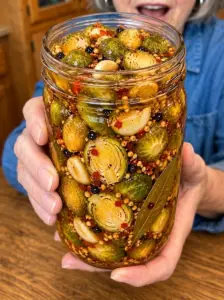
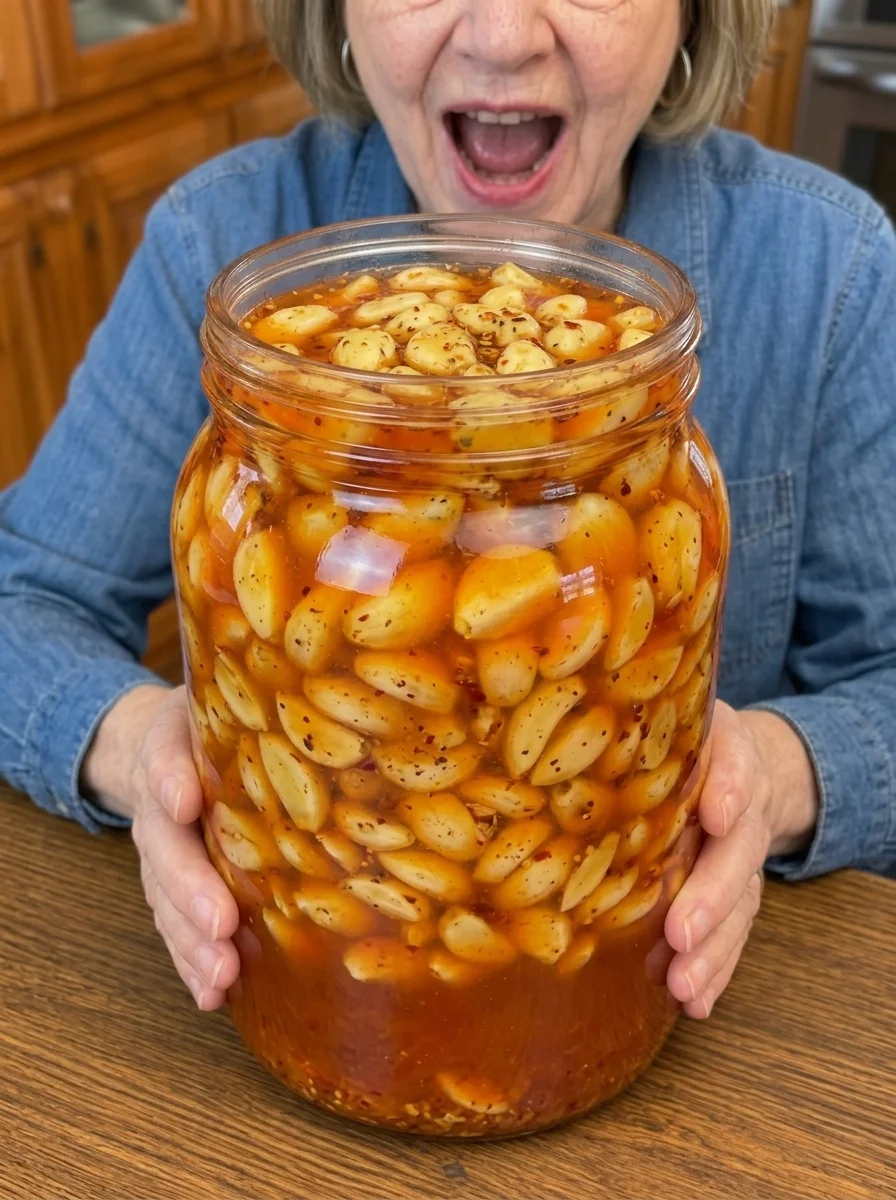
Tangy pickled garlic, cayenne-style hot sauce, and a little honey make a bold combination for a snack plate or sandwich topping. This Sweet & Spicy Buffalo Pickled Garlic brings together sharp vinegar flavor, pepper heat, and sweetness, with smoked paprika adding a savory background note.
Whole garlic cloves remain a powerful bite, even after pickling. For a more approachable serving, slice or chop the chilled cloves and spoon them over burgers, chicken wraps, or a cheese board. A little goes a long way, particularly beside creamy ranch or blue cheese dip.
This version separates pickling from finishing: store the peeled garlic in undiluted commercial vinegar in the refrigerator, then toss only the portion you plan to serve with a Buffalo-honey dressing. That gives you the intended flavor without assigning a long storage period to a custom diluted brine.
There is no canning step. These cloves must stay refrigerated, and the finished appetizer is not a pantry preserve.
Recipe at a Glance
- Preparation: About 15–25 minutes, depending on whether the garlic is already peeled
- Cooking: None required
- Initial flavor development: Begin tasting after 3–5 days in the refrigerator; whole cloves can remain strongly garlicky
- Finishing: About 5 minutes when ready to serve
- Yield: Approximately 2 cups garlic before finishing
- Portions: About 12 small condiment portions, depending on use
The first few days are a flavor-development period, not proof that acid has completely penetrated every clove. Keep the jar cold throughout, regardless of how the garlic tastes.
A Note About the Revised Method
The supplied recipe combines vinegar, water, hot sauce, honey, and whole raw garlic, then suggests several weeks of refrigerated storage. That exact mixture does not have an established storage life here.
Oregon State University Extension describes refrigerated storage of peeled garlic submerged in undiluted wine or vinegar. The method in this article follows the undiluted-vinegar approach for the stored garlic and keeps the Buffalo dressing separate until serving. It is not a validation of the original diluted formula.
The water has been omitted from the storage liquid, and the hot sauce, honey, and dry seasonings are used as a fresh finishing mixture. This is a meaningful recipe adjustment rather than an interchangeable variation.
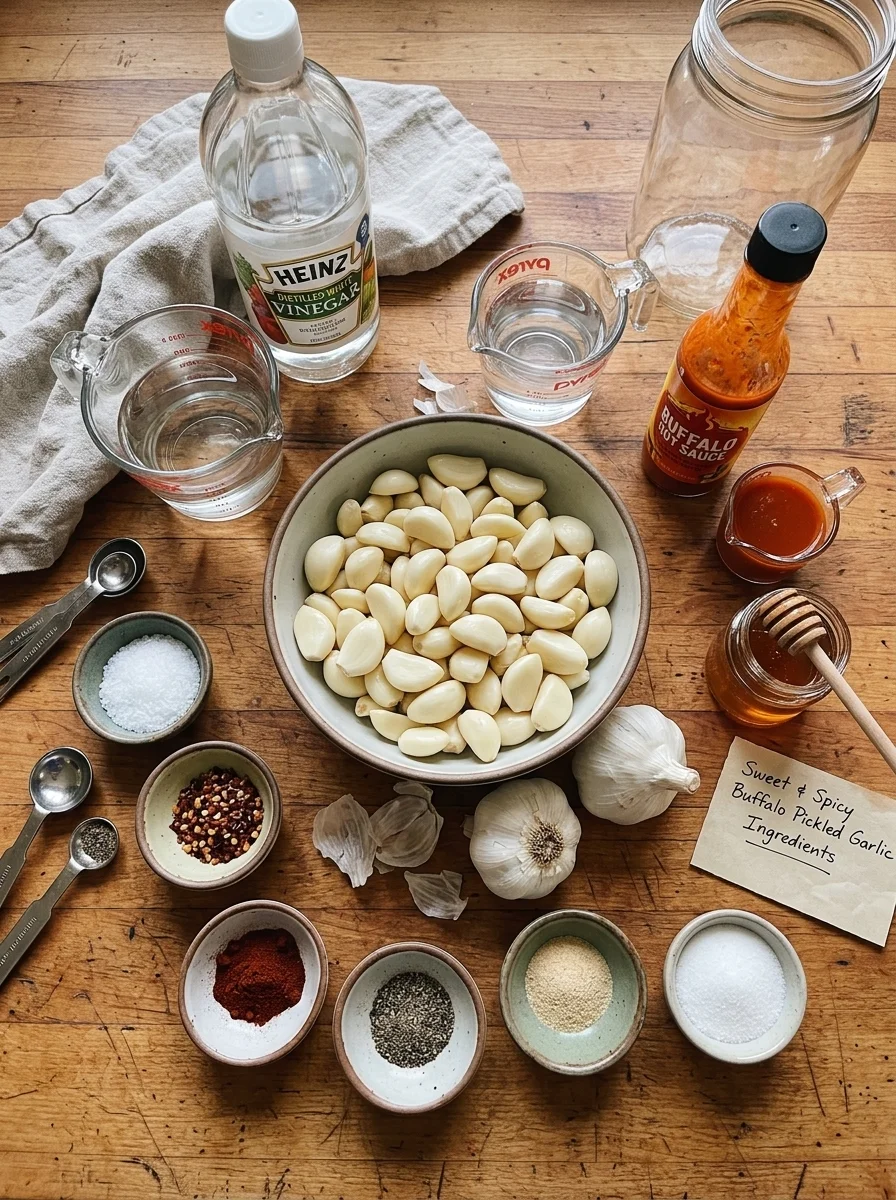
Ingredients
For the Refrigerated Garlic
- 2 cups peeled garlic cloves
- About 2 cups distilled white vinegar labeled 5% acidity, or enough to cover the cloves completely in your container
The vinegar amount depends on jar shape and how tightly the cloves settle. Have extra available rather than topping up with water.
For the Buffalo-Honey Finish
For each ½ cup drained pickled garlic, use:
- 1 tablespoon cayenne-style Buffalo hot sauce, preferably a vinegar-based sauce without added butter or oil
- 1½ teaspoons honey
- A small pinch of red pepper flakes, to taste
- A small pinch of smoked paprika
- A small pinch of black pepper
- A small pinch of garlic powder, optional
Optional Serving Additions
- Ranch or blue cheese dip, served separately
- Celery sticks
- Crackers or toasted bread
- Chicken tenders or a chicken sandwich
The garlic is already strongly flavored, so garlic powder is optional. Additional salt is usually unnecessary because hot sauce can be salty. Taste the small finished portion before adding any.
Ingredient Notes
Fresh Garlic
Choose firm cloves without mold, soft spots, or damage. Remove the papery skins and trim dry root ends without cutting away large portions of sound garlic.
Prepeeled garlic is convenient, but follow its package storage instructions and use a fresh product. Pickling is not a way to rescue garlic that is deteriorating.
Very large cloves have a more substantial raw center and can remain pungent longer. Choose relatively similar sizes for more consistent eating texture.
Undiluted Vinegar
Use commercial distilled white vinegar labeled 5% acidity. Do not use cleaning vinegar, homemade vinegar of unknown acidity, or vinegar diluted with water for the storage step described here.
Apple cider vinegar changes the flavor and color. The white vinegar version gives a clean, sharp background for the Buffalo finish.
The jar does not become shelf-stable just because the vinegar is strong. Refrigeration remains part of the method.
Buffalo Hot Sauce
Choose a product you enjoy on food rather than one that is simply the hottest available. A cayenne-and-vinegar sauce gives a recognizable Buffalo-style flavor.
Some wing sauces contain butter, oil, starch, or other ingredients. Those products may be useful for immediate serving, but do not add them to the garlic storage jar. Follow their own label directions after opening.
Honey
Honey rounds out the vinegar and pepper heat. Start with the listed small amount and adjust the serving portion to taste.
Honey contributes sugar and calories. This condiment is not sugar-free, and garlic itself also contains carbohydrate.
Dry Seasonings
Smoked paprika adds a gentle smoky note; red pepper flakes increase heat. Both are concentrated enough that a small pinch is sufficient for a ½-cup portion.
Avoid adding every seasoning heavily at once. The hot sauce, vinegar, and garlic already provide a strong flavor foundation.
Equipment
Use a clean food-storage jar or container, a small knife, a bowl for mixing the finish, and clean utensils. A narrow enough container helps keep the garlic covered without requiring excessive vinegar.
A food-safe pickling weight can help hold floating cloves under the surface, provided it fits the container and can be cleaned properly. Do not use an improvised object that is unsuitable for food contact.
You do not need a boiling-water canner. Tightening a lid is simply closing a refrigerated container, not creating a canned preserve.
How to Make Buffalo Pickled Garlic
1. Prepare the Cloves
Peel the garlic and inspect each clove. Discard damaged, moldy, or soft pieces. Trim the tough root ends lightly.
Rinse briefly if necessary to remove debris, then dry. Keep the cloves whole for storage in this method.
2. Pack the Container
Place the cloves in a clean jar with enough space for vinegar to circulate. Avoid forcing them into a tightly compressed mass.
Choose a jar that holds the garlic and liquid comfortably while allowing a little room beneath the lid.
3. Cover with Vinegar
Pour undiluted 5% distilled white vinegar over the garlic until every clove is covered. Add more vinegar if necessary; do not dilute with water or hot sauce.
Use a clean utensil to release trapped air and settle the cloves. If they float, use a suitable food-safe weight or a container arrangement that keeps them beneath the vinegar.
4. Refrigerate Immediately
Close the container, label it with the preparation date, and refrigerate at 40°F or below. There is no hot-brine cooling period in this revised method.
Keep it refrigerated during flavor development. Do not leave it on the counter to speed pickling or soften the garlic.
5. Taste for Flavor
After about 3–5 days, remove a clove with a clean utensil and taste a small piece. Expect vinegar flavor and a substantial garlic bite. Whole cloves do not necessarily become mild within a few days.
If the flavor is too sharp for eating whole, use small chopped amounts as a condiment. Do not interpret harshness or mildness as a measure of preservation safety.
6. Make a Small Buffalo Finish
When ready to serve, drain ½ cup garlic. Keep the remaining cloves covered in undiluted vinegar in the refrigerator.
Whisk one tablespoon hot sauce with 1½ teaspoons honey and small pinches of the selected seasonings. Taste the dressing before adding the garlic.
7. Toss and Serve
Toss the drained garlic with the dressing. Serve promptly, either whole in modest portions or chopped over food.
Do not return dressed garlic or used dressing to the storage jar. Mix another small portion if needed rather than dressing the entire batch for extended storage.
What Texture Should You Expect?
This method does not cook the garlic. The cloves generally remain firm, and larger ones can retain a distinctly raw bite.
Calling the result “crunchy” should not imply the same refreshing snap as cucumber pickles. Garlic is denser and more intense. Chopped pieces can be more pleasant than a large whole clove, especially for someone unfamiliar with pickled garlic.
If you want mild, soft garlic, a cooked-garlic appetizer is a different preparation. Do not assume a hot pour-over alone would cook whole cloves thoroughly or turn them sweet like roasted garlic.
Tips for Balanced Flavor
Taste small pieces first. A whole large clove may be more intense than expected.
Use the dressing at serving time. This preserves the separation between the stored cloves and the custom Buffalo mixture.
Begin with little honey. You can sweeten a serving portion further, but a heavy addition can overwhelm the tang.
Choose complementary food. Creamy dip, chicken, cheese, or a sandwich can make the garlic easier to enjoy than eating several cloves alone.
Keep a clean storage jar. Use fresh utensils and avoid contact with meat juices, used forks, or serving-bowl leftovers.
Troubleshooting
| Issue | Possible explanation | What to do |
|---|---|---|
| Garlic is very pungent | Whole raw cloves remain intense | Chop a small amount and use as a topping rather than eating whole. |
| Finish tastes too hot | Sauce or flakes are stronger than expected | Use less dressing and pair with a creamy accompaniment. |
| Finish tastes too sweet | Honey dominates the small portion | Add a little more hot sauce to that serving mixture, if desired. |
| Cloves float above the vinegar | Container shape or trapped air | Settle with a clean utensil and use a suitable food-safe weight. |
| Vinegar level falls below cloves | Liquid removed during serving or settling | Add fresh undiluted 5% vinegar and keep refrigerated. |
| Mold or yeast appears | Spoilage | Discard the garlic and liquid; do not taste or skim to salvage. |
Garlic Color Changes
Garlic can develop blue or greenish pigments in acidic conditions. That color change alone can result from garlic chemistry rather than spoilage.
Color is not a way to prove that a batch is safe. Consider the ingredients, refrigeration, handling, and any signs of spoilage together. If you cannot distinguish a pigment change from suspicious growth or do not trust how the jar was stored, discard it rather than tasting to investigate.
Serving Ideas
Chicken Wraps and Sandwiches
Finely chop a few dressed cloves and scatter over a chicken wrap. Add celery or lettuce for freshness and a small amount of ranch if desired.
Burgers
Use chopped garlic sparingly with cheese and a familiar burger sauce. Its vinegar and heat provide a strong contrast to rich meat.
Cheese Boards
Serve a small bowl with a dedicated spoon beside cheese and crackers. Label it clearly so guests know it is garlic rather than another mild pickle.
Game-Day Plates
Offer the finished portion alongside chicken tenders, celery, and a separate creamy dip. Keep reserve garlic refrigerated and replenish with a newly mixed serving portion as needed.
Salads and Bowls
Chop a little and add at the table. Start with less than you would use of a mild vegetable pickle because both garlic and hot sauce are concentrated flavors.
Flavor Variations
For more heat, add a pinch of cayenne to the serving dressing. For a sweeter portion, add a little more honey. For a smokier finish, use a small extra pinch of smoked paprika.
A different vinegar-based hot sauce changes the pepper flavor. Keep that experimentation in the small serving mixture, leaving the storage liquid as undiluted vinegar.
Do not add butter, oil, cheese, or ranch to the storage jar. Serve those accompaniments separately and follow their own refrigeration guidance.
Storage and Handling
Keep the undressed garlic submerged in undiluted vinegar in a closed container at 40°F or below. Oregon State University Extension describes this garlic-in-undiluted-vinegar storage approach without assigning that guidance to a diluted Buffalo sauce mixture. For this article’s small-batch plan, date the jar and aim to use it within one month; that shorter target does not validate the original diluted Buffalo brine.
Discard both cloves and liquid if mold or yeast growth appears. Do not rely on smell or appearance to detect every potential hazard, and never taste a suspicious batch to decide whether to keep it.
Make the Buffalo-dressed portion for immediate serving. Prepare only what you expect to eat rather than assigning leftovers a multiweek shelf life. Keep perishable serving food cold and limit room-temperature exposure to 2 hours, or 1 hour above 90°F.
Do not store the jar in a pantry, water-bath can this formula, or treat a lid that pulls down as evidence of a safe preserve. Do not use a home brine pH reading alone to infer that the center of a whole clove has acidified adequately.
Nutrition Notes
Calories depend on the amount of garlic, honey, and dressing actually eaten. Vinegar left in the storage jar is not the same as liquid consumed with a portion.
If two cups garlic are divided among twelve portions and each quarter of the batch is finished with the listed hot sauce and honey amounts, a rough planning estimate is about 35–50 calories per portion. Garlic size, cup packing, sauce brand, and extra honey can shift that range.
This is not a high-protein condiment. Honey adds sugar, and the garlic contributes carbohydrate. Ranch, blue cheese dip, crackers, and sandwich ingredients are separate additions.
Frequently Asked Questions
Why is there no water in this version?
The stored garlic uses the undiluted-vinegar approach described in the preservation reference. The original diluted vinegar, Buffalo sauce, and honey mixture does not have a validated shelf life here.
Can I add the hot sauce to the whole jar?
Not in this storage method. Add it only to a drained serving portion so the stored garlic remains in undiluted vinegar.
Is this fermented garlic?
No. It is a vinegar preparation kept refrigerated. Fermentation is a different process with its own requirements.
Will three days make the cloves mild?
Not necessarily. Whole raw garlic can remain strongly pungent. Taste a small piece for flavor and use chopped amounts if needed.
Can I use commercial pickled garlic instead?
Yes. Drain a serving portion and toss with the Buffalo-honey finish. Follow the commercial product’s label for storage and use after opening. This is the simplest option if you prefer not to pickle garlic at home.
Can I freeze it?
Freezing is not necessary for the storage plan here and may alter the texture. If you want to preserve fresh garlic by freezing, follow a method intended for that purpose rather than assuming this dressed appetizer will thaw with the same bite.
Is it safe to can?
This article provides no canning process. Whole garlic acidification requires particular care, and this is not a shelf-stable recipe.
Recipe Card
Sweet & Spicy Buffalo Pickled Garlic
Refrigerated garlic in undiluted vinegar, tossed with a Buffalo-honey finish only when ready to serve.
Prep: 15–25 minutes | Initial flavor development: 3–5 days refrigerated | Finish: 5 minutes
Stored Garlic
- 2 cups peeled, sound garlic cloves
- About 2 cups commercial distilled white vinegar, 5% acidity, or enough to cover completely
Finish for Each ½ Cup Drained Garlic
- 1 tablespoon vinegar-based Buffalo hot sauce
- 1½ teaspoons honey
- Small pinches red pepper flakes, smoked paprika, and black pepper
- Optional small pinch garlic powder
Instructions
- Inspect and peel garlic. Place sound cloves in a clean container.
- Cover completely with undiluted 5% vinegar. Do not add water or dressing ingredients.
- Close, date, and refrigerate immediately at 40°F or below. Keep cloves submerged.
- Begin tasting small pieces after 3–5 days for flavor; whole cloves may remain pungent.
- Drain only the portion needed. For each ½ cup garlic, mix the listed finishing ingredients and toss together.
- Serve promptly. Chop for use on sandwiches or snack plates if desired. Do not return dressed garlic to the storage jar.
Storage: Keep the undressed cloves refrigerated in undiluted vinegar. Use the small batch within one month as a practical target, and discard cloves and liquid if mold or yeast appears. Mix dressed portions for immediate serving. Not for shelf-stable canning.
Print
Sweet & Spicy Buffalo Pickled Garlic
Description
Sweet & Spicy Buffalo Pickled Garlic
Refrigerated garlic in undiluted vinegar, tossed with a Buffalo-honey finish only when ready to serve.
Prep: 15–25 minutes | Initial flavor development: 3–5 days refrigerated | Finish: 5 minutes
Ingredients
For the Refrigerated Garlic
- 2 cups peeled garlic cloves
- About 2 cups distilled white vinegar labeled 5% acidity, or enough to cover the cloves completely in your container
The vinegar amount depends on jar shape and how tightly the cloves settle. Have extra available rather than topping up with water.
For the Buffalo-Honey Finish
For each ½ cup drained pickled garlic, use:
- 1 tablespoon cayenne-style Buffalo hot sauce, preferably a vinegar-based sauce without added butter or oil
- 1½ teaspoons honey
- A small pinch of red pepper flakes, to taste
- A small pinch of smoked paprika
- A small pinch of black pepper
- A small pinch of garlic powder, optional
Optional Serving Additions
- Ranch or blue cheese dip, served separately
- Celery sticks
- Crackers or toasted bread
- Chicken tenders or a chicken sandwich
The garlic is already strongly flavored, so garlic powder is optional. Additional salt is usually unnecessary because hot sauce can be salty. Taste the small finished portion before adding any.
Instructions
- Inspect and peel garlic. Place sound cloves in a clean container.
- Cover completely with undiluted 5% vinegar. Do not add water or dressing ingredients.
- Close, date, and refrigerate immediately at 40°F or below. Keep cloves submerged.
- Begin tasting small pieces after 3–5 days for flavor; whole cloves may remain pungent.
- Drain only the portion needed. For each ½ cup garlic, mix the listed finishing ingredients and toss together.
- Serve promptly. Chop for use on sandwiches or snack plates if desired. Do not return dressed garlic to the storage jar.
Storage: Keep the undressed cloves refrigerated in undiluted vinegar. Use the small batch within one month as a practical target, and discard cloves and liquid if mold or yeast appears. Mix dressed portions for immediate serving. Not for shelf-stable canning.