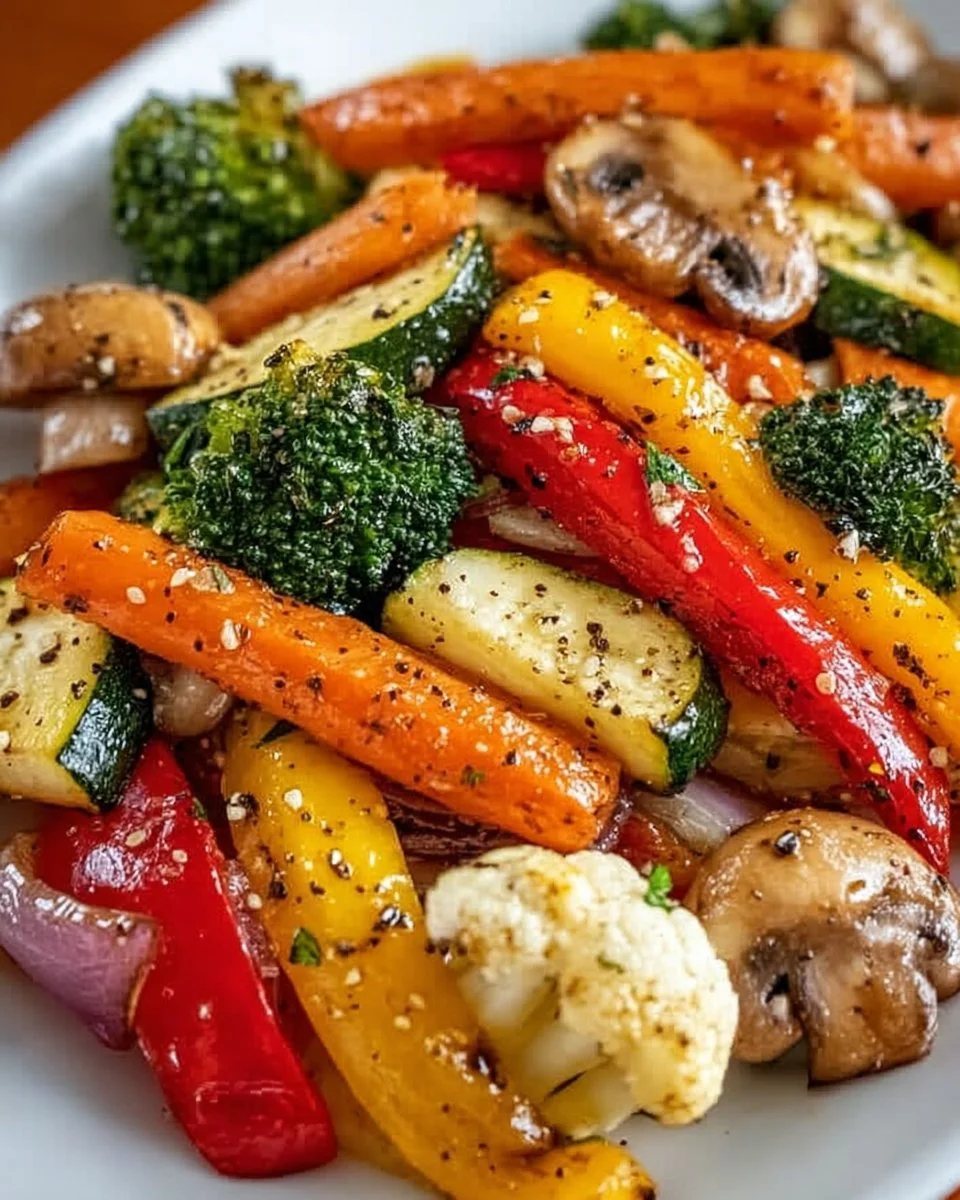
Ah, the kaleidoscope of colors sizzling on a stovetop, the tantalizing aroma wafting through the air, and the inviting crunch of perfectly sautéed vegetables—this scene is not just a meal; it’s a celebration of health, flavor, and simplicity! You step into your kitchen, the sun streaming through the window, eager to create a dish that elevates enjoyment from the mundane to the extraordinary. Each slice of vibrant pepper, each toss of leafy broccoli, bursts with potential, promising a dish that delights the senses and satisfies the soul.
Imagine vibrant rings of onion glistening in olive oil, mingling with earthy mushrooms and tender, sweet carrots. As they dance together in the pan, their colors bloom and flavor layers meld. The first bite is a revelation—the tender crispness contrasts beautifully with buttery richness and garlicky undertones, creating a medley that sings of sunny days, family feasts, and cozy meals shared with friends. This isn’t just sautéed vegetables; it’s a masterpiece of comfort.
You’re ready to embark on this culinary journey. Let’s dive deeper into why this recipe will quickly become a staple in your kitchen.
Why You’ll Love This Sautéed Vegetables Recipe
Sautéed vegetables offer a world of flavor and nutrition wrapped in a charming package. They shine brilliantly on any table—whether you’re hosting a weekend brunch, prepping a quick weeknight dinner, or seeking a side that brings a pop of color to your family gatherings. The best part? It takes just a handful of ingredients and a few minutes to create this delicious spectacle.
You love this dish because of its adaptability. Play with seasonal vegetables and discover new combinations, allowing fresh ingredients to inspire you. The vibrant hues not only nourish the body but also warm the heart, turning an ordinary meal into something vibrant and memorable.
Preparation Phase & Tools to Use
Before you dive into the aromatic experience of sautéing, gather a few essential tools that make the process seamless and enjoyable:
- Sharp Knife: A good knife simplifies chopping, making prep time fly and ensuring even cuts for consistent cooking.
- Cutting Board: Invest in one that fits comfortably on your countertop—this increases safety while prepping.
- Large Skillet or Frying Pan: A wide surface promotes even cooking and helps your vegetables achieve that wonderfully caramelized finish.
- Spatula or Wooden Spoon: These tools help you toss and turn your vegetables without damaging them, ensuring every piece gets golden and crispy.
Practical Preparation Tips:
- Wash and chop your vegetables into uniform pieces. This ensures they cook evenly and can be enjoyed in perfect bites.
- Consider prepping your ingredients ahead of time if you’re short on time. Chop your vegetables and store them in the fridge, so they’re ready to go when you need them!
Ingredients for Sautéed Vegetables
Gather these vibrant stars for your dish:
- 2 tablespoons olive oil (can substitute with avocado oil for a lighter taste)
- 1 medium red onion (can use yellow onion for a more subtle sweetness)
- 2 medium carrots (can substitute with parsnips for earthier sweetness)
- 1 medium red bell pepper (feel free to use any bell pepper color for variety)
- 1 cup broccoli florets (switch to green beans for a crunchier texture)
- 1 cup cauliflower florets (or zucchini, which softens beautifully)
- 1 cup cremini mushrooms (swap for white button mushrooms if you prefer)
- 1 medium zucchini (yellow squash can bring a lovely brightness)
- 2 tablespoons unsalted butter (for a vegan option, use more olive oil or vegan butter)
- 3 cloves garlic (garlic powder is a great alternative; start with 1/2 teaspoon)
- Sea salt and black pepper, to taste
- 1 tablespoon fresh parsley (adds a pop of freshness; cilantro or basil make great substitutes)
Each ingredient plays a vital role, adding not just flavor but also a crunchy or creamy texture. Feel free to experiment with what you love most!
How to Make Sautéed Vegetables
Step-by-Step Instructions for Sautéed Vegetables
-
Prep Your Ingredients: Start by washing and chopping all your vegetables into similar-sized pieces. This ensures they cook evenly.
-
Heat the Oil: Place your large skillet over medium heat and add the olive oil. Let it warm until it shimmers—this is the perfect time to start adding your veggies!
-
Add Onions and Carrots: Toss in the chopped onion and carrots first, stirring occasionally. Let them cook for about 3–4 minutes until they start to soften and become fragrant.
-
Mix in Bell Peppers and Mushrooms: Add the bell peppers and mushrooms to the skillet. Stir everything well and allow them to cook for another 4–5 minutes until the mushrooms begin to release their moisture and the peppers soften.
-
Embrace Broccoli and Cauliflower: Next, toss in the broccoli and cauliflower florets. Sauté for another 3–5 minutes—the goal is to keep everything vibrant and al dente.
-
Zucchini and Seasoning: Finally, add the zucchini, garlic, salt, and pepper. Toss to combine and sauté for another 2-3 minutes. The zucchini will soften quickly, melding beautifully with the other ingredients.
-
Finishing Touches: Stir in the butter, allowing it to melt and coat the vegetables luxuriously. If desired, sprinkle fresh parsley over the top for an aromatic finish.
-
Serve Immediately: Transfer your beautifully sautéed vegetable medley to a serving dish and enjoy while they’re still warm!
Small Tips Within Steps
- Sauté in batches if your skillet doesn’t have enough room. This prevents steaming and ensures that each piece gets that coveted caramelization.
Chef’s Notes & Helpful Tips
Make-Ahead Tips
You can chop vegetables a day in advance. Store them in airtight containers in the fridge. When you’re ready to cook, they’re all set for a quick sauté!
Cooking Alternatives
- Air Fryer: Toss your chopped vegetables with oil and seasonings, then cook in the air fryer at 375°F for about 12–15 minutes, shaking halfway through.
- Oven-Roasted: Preheat your oven to 425°F. Spread the vegetables on a baking sheet, drizzle with oil, and roast for 20–25 minutes, tossing halfway for even cooking.
Customization Ideas
Feel free to swap in any seasonal veggies you have on hand, or add toppings such as toasted nuts, cheese, or a splash of balsamic vinegar for an exquisite flavor boost!
Common Mistakes to Avoid
- Overcrowding the Pan: When too many vegetables sit together, they steam rather than sauté. Cook in batches or use a larger skillet.
- Not Prepping the Ingredients First: Sautéing is a quick process. If you don’t have everything ready, some vegetables may overcook while you chop others.
- Ignoring the Heat: Too low of heat won’t give your vegetables that beautiful caramelization. Adjust your heat as necessary.
What to Serve With Sautéed Vegetables
This delicious medley pairs beautifully with a variety of dishes. Each option brings its unique charm, turning your meal into a balanced feast:
- Grilled Chicken: Juicy, savory chicken complements the fresh flavors of the vegetables perfectly.
- Steak: The rich, meaty goodness of a perfectly cooked steak creates a satisfying contrast to the vibrant sautéed blend.
- Risotto: Creamy risotto acts as a luxurious base to showcase the colorful vegetables.
- Quinoa: This nutty, protein-rich grain forms a perfect backdrop, soaking up the vegetable juices.
- Pasta: Toss sautéed vegetables with your favorite pasta dish for an inviting, hearty meal.
- Fish: Lightly grilled fish, such as salmon or tilapia, balances out the meal with their delicate flavors.
- Omelettes: Stuff your breakfast omelet with these sautéed delights for a colorful start to your day.
- Sandwiches: Layer them in a wrap or sandwich for a fresh and savory lunch option.
Storage & Reheating Instructions
Store any leftovers in an airtight container in the fridge for up to 3 days. To maintain flavor and texture, reheat in a skillet over low heat, adding a splash of olive oil to revive the freshness. If you want to store them longer, consider freezing for up to a month. Reheat from frozen in the skillet or oven; just give them ample time to regain their former glory.
Estimated Nutrition Information
This recipe serves approximately 4 and has an estimated nutritional value of:
- Calories: 150 per serving
- Protein: 3g
- Carbohydrates: 14g
- Fat: 10g
- Fiber: 4g
Please note that these values can vary based on the specific size and type of vegetables used.
FAQs
What is the best oil for sautéing vegetables?
Olive oil is a fantastic choice for sautéing due to its health benefits and flavorful profile. Avocado oil is another excellent option for a high smoke point and a neutral flavor.
How can I make my sautéed vegetables more flavorful?
You can elevate the flavor by experimenting with herbs and spices, such as thyme, rosemary, or paprika. A splash of soy sauce or balsamic vinegar during cooking can also impart extra depth.
Can I add protein to this dish?
Absolutely! Consider adding tofu, chicken, or shrimp halfway through the cooking process. They’ll soak up the flavors from the vegetables as they cook.
How do I know when my vegetables are done?
Aim for tender yet still vibrant vegetables. They should be easily pierced with a fork while retaining some crunch. Keep an eye on their color; bright hues mean fresh and perfectly cooked vegetables!
Is this recipe suitable for meal prep?
Yes! Sautéed vegetables store well in the fridge and can be reheated. They make a versatile addition to various meals throughout the week.
Conclusion
Sautéed vegetables bring life, warmth, and vibrant flavor into any dining experience. With just a few simple ingredients and easy preparation, you create a delightful dish that pleases both the palate and the heart. So go ahead—heat up that skillet, breathe in the intoxicating aroma of garlic and veggies mingling, and let your kitchen radiate an invitation to taste the joy of freshness. Trust us, your taste buds will thank you, and soon, this recipe will be a beloved staple that dances onto your table again and again. Don’t wait; take a step into the kitchen and sauté your way to deliciousness tonight!
Print
Sautéed Vegetables
- Total Time: 35
- Yield: 4 servings 1x
- Diet: Vegetarian
Description
A colorful medley of sautéed vegetables, bursting with flavor and nutrition, perfect for any meal occasion.
Ingredients
- 2 tablespoons olive oil (or avocado oil)
- 1 medium red onion (or yellow onion)
- 2 medium carrots (or parsnips)
- 1 medium red bell pepper (any color bell pepper)
- 1 cup broccoli florets (or green beans)
- 1 cup cauliflower florets (or zucchini)
- 1 cup cremini mushrooms (or white button mushrooms)
- 1 medium zucchini (or yellow squash)
- 2 tablespoons unsalted butter (or more olive oil for vegan)
- 3 cloves garlic (or garlic powder)
- Sea salt and black pepper, to taste
- 1 tablespoon fresh parsley (or cilantro/basil)
Instructions
- Prep your ingredients by washing and chopping all vegetables into similar-sized pieces.
- Heat the olive oil in a large skillet over medium heat.
- Add the chopped onions and carrots, cooking for 3-4 minutes until softened.
- Mix in the bell peppers and mushrooms, stirring well and cooking for another 4-5 minutes.
- Incorporate the broccoli and cauliflower, sautéing for an additional 3-5 minutes.
- Add the zucchini, garlic, salt, and pepper, and sauté for 2-3 minutes more.
- Stir in the butter until melted, and top with fresh parsley before serving.
- Serve immediately while warm.
Notes
Feel free to experiment with seasonal vegetables and addition of proteins like chicken or tofu if desired.
- Prep Time: 15
- Cook Time: 20
- Category: Side Dish
- Method: Sautéing
- Cuisine: Mediterranean
Nutrition
- Serving Size: 1 serving
- Calories: 150
- Sugar: 5g
- Sodium: 400mg
- Fat: 10g
- Saturated Fat: 2g
- Unsaturated Fat: 8g
- Trans Fat: 0g
- Carbohydrates: 14g
- Fiber: 4g
- Protein: 3g
- Cholesterol: 10mg
Keywords: sautéed vegetables, healthy side dish, vegetarian recipe, colorful veggies